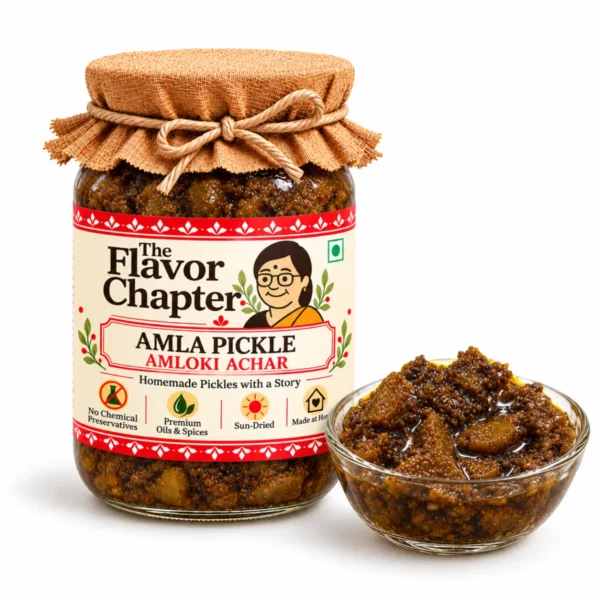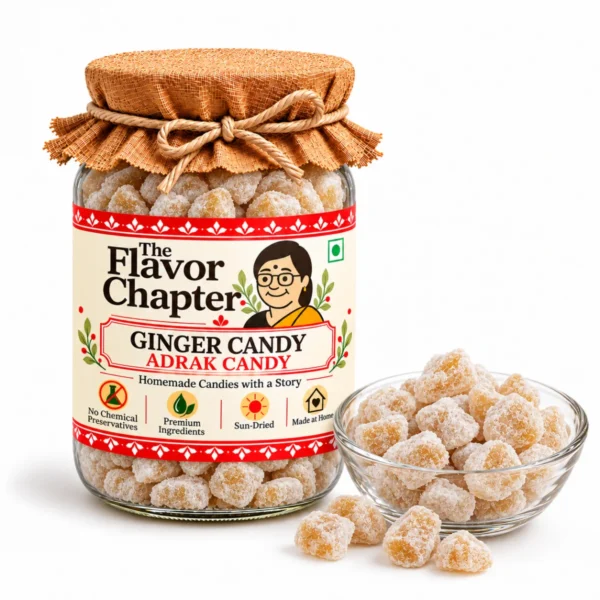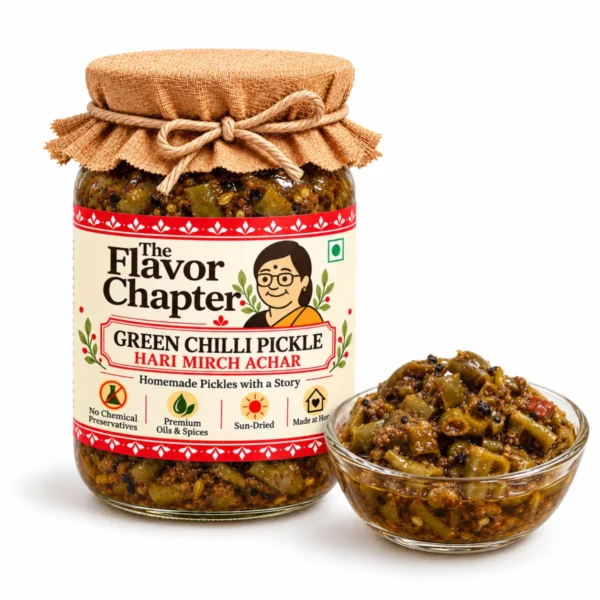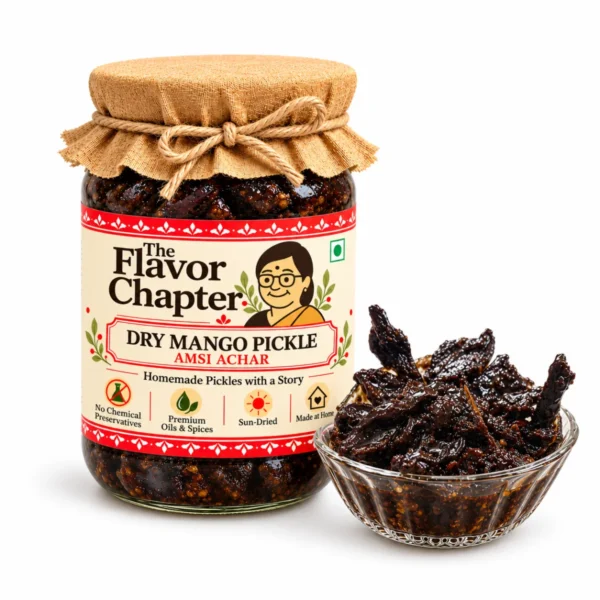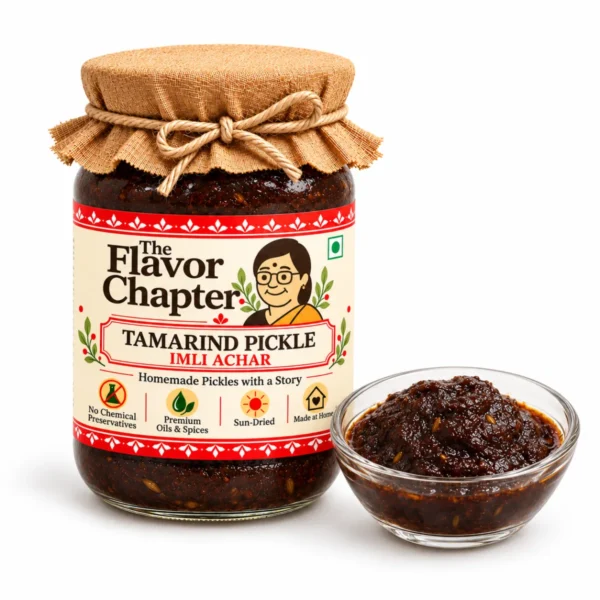


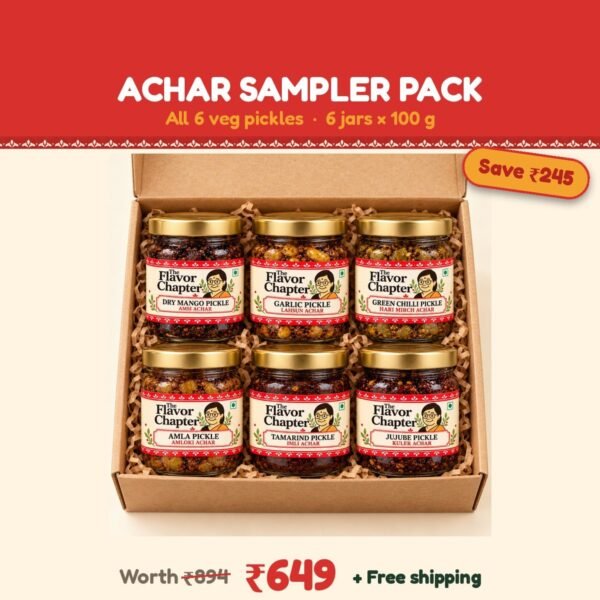
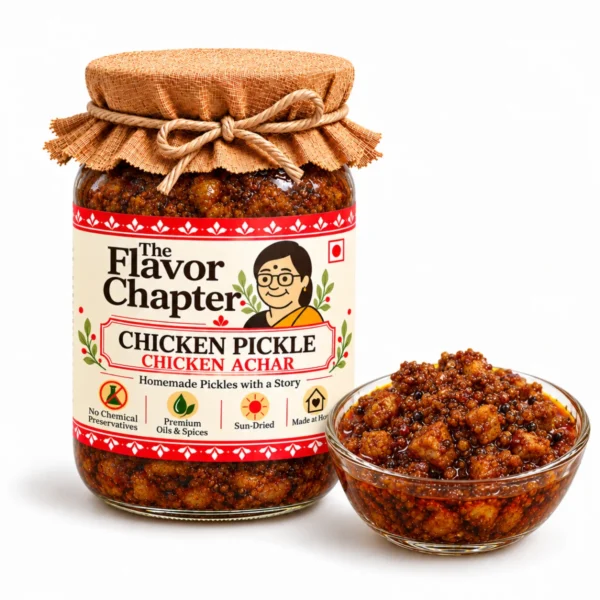


Every jar we send out carries the same line on the label: best within nine months. That is true, but it is not the whole story. A homemade pickle does not spoil because a date passes. It spoils because water gets into it.
Understand that one thing and the rest of this guide is obvious.
Why moisture is the only real enemy
Salt, sugar and mustard oil are all preservatives. Between them they create an environment where almost nothing can grow, which is how Indian households kept food through a year with no refrigeration long before anyone had heard of sodium benzoate.
Introduce water and you dilute all three at once. That is why a jar which has had a wet spoon in it can turn within a fortnight, while an untouched jar of the same batch sits happily for a year.
Six rules that actually matter
1. Use a dry spoon, every single time
Not a spoon you rinsed and shook. A properly dry one. This single habit does more for the life of your pickle than everything else on this list combined.
Keep a dedicated pickle spoon beside the jar. Never eat straight from the jar with a spoon that has been in your mouth, saliva carries enzymes and bacteria that will start working on the oil.
2. Keep the oil layer intact
In a savoury achar, that film of mustard oil sitting on top is the seal. It is what stops air reaching the pickle underneath.
If pieces are poking up through the oil, push them back down with your dry spoon before you put the jar away. If the oil has been pushed to one side, tilt the jar and let it settle back level.
3. Never store pickle in metal
This is the one people get wrong most often. Aluminium, brass and iron all react with the salt and acid in pickle. The reaction taints the flavour, discolours the pickle, and can leach metal into food you are about to eat.
Glass, ceramic or food-grade plastic only. It is why every jar we ship is glass, and why you should decant into another glass jar rather than a steel dabba if you split a large batch.
4. Cool and dark, not warm and bright
A kitchen shelf away from the stove is ideal. Direct sunlight heats the oil and speeds up oxidation, which is what makes an old pickle taste faintly rancid. The back of a cupboard is better than a sunny windowsill, however good the jar looks there.
5. Refrigerate after opening
Before opening, a cool dry place is enough. Once the seal is broken, the fridge roughly doubles how long the pickle stays at its best. Sweet pickles like kuler achar especially benefit, because sugar attracts moisture from the air.
Cold oil thickens and may look cloudy. That is normal, leave the jar out for ten minutes and it clears.
6. Close it properly
A loose lid lets humid air in, and humid air means condensation on the inside of the glass, which means water dripping back into your pickle. Tighten it fully every time.
How long does homemade pickle actually last?
Our jars are best within nine months of the packing date unopened, and about six months once opened and refrigerated. The date is printed on every jar.
Those numbers assume you are following the rules above. A jar treated carelessly can go in weeks. A jar treated well often outlives its date comfortably, traditional households routinely kept achar for years, though the flavour does flatten over time as the spices fade.
How to tell if a pickle has gone
- White or grey fuzz on the surface: throw it out, the whole jar
- A sour, fermented, alcoholic smell that is different from the usual tang
- Bubbling or a lid that has domed upward
- Sliminess on the pieces
Darkening of colour is not a warning sign. Pickles naturally deepen in colour as they age, and a mango achar that has gone from gold to brown is usually just mature.
Can you carry pickle on a flight?
On Indian domestic flights, yes: in checked baggage. Wrap the jar in clothes and seal it inside a zip bag in case of pressure changes.
Cabin baggage is a different matter. Pickle counts as a paste under liquid rules, so a jar will usually be stopped at security. If you are flying internationally, check the destination country’s rules before you pack, several restrict bringing food in altogether.
A note on our own jars
We make everything in small batches in a home kitchen in Kolkata, with no chemical preservatives, no vinegar and no artificial colour. That means the storage advice above matters more for our pickles than it does for a supermarket jar engineered to survive neglect.
Treat it like something homemade, because it is, and it will reward you for nine months.