Any 4 jars of 200 g @ ₹699 | Free shipping above ₹599 Offers automatically applied at checkout No Chemical Preservatives | Homemade Pickles
Our story

Bengali achar, made the slow way in a Kolkata home kitchen

The Flavor Chapter is a small pickle kitchen in Kolkata. We sun dry on the terrace, cook in iron kadais, pack every jar by hand and ship it across India. No chemical preservatives, no shortcuts, and mustard oil in every pickle.

  • Made in Kolkata
  • Sun dried on the terrace
  • No chemical preservatives
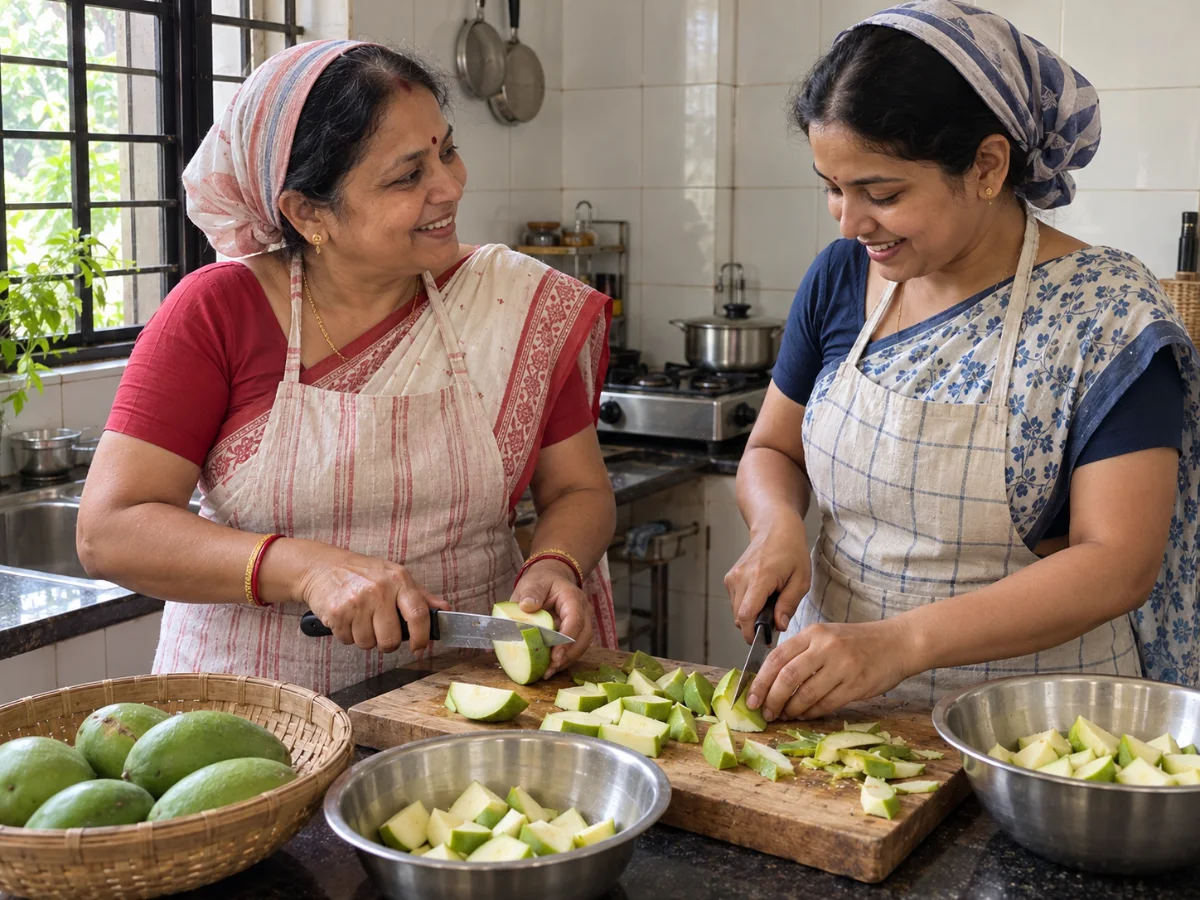
Two women cutting raw mangoes for pickle in a Kolkata home kitchen
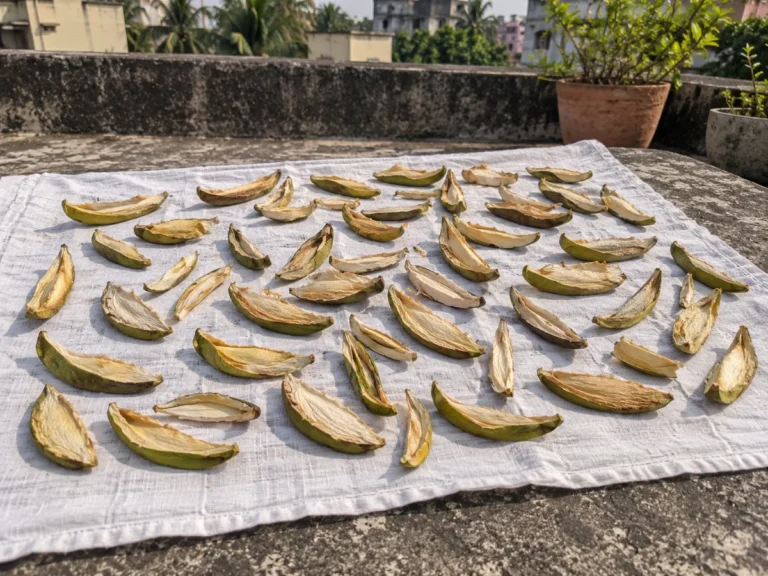
Raw mango slices sun drying on a Kolkata rooftop
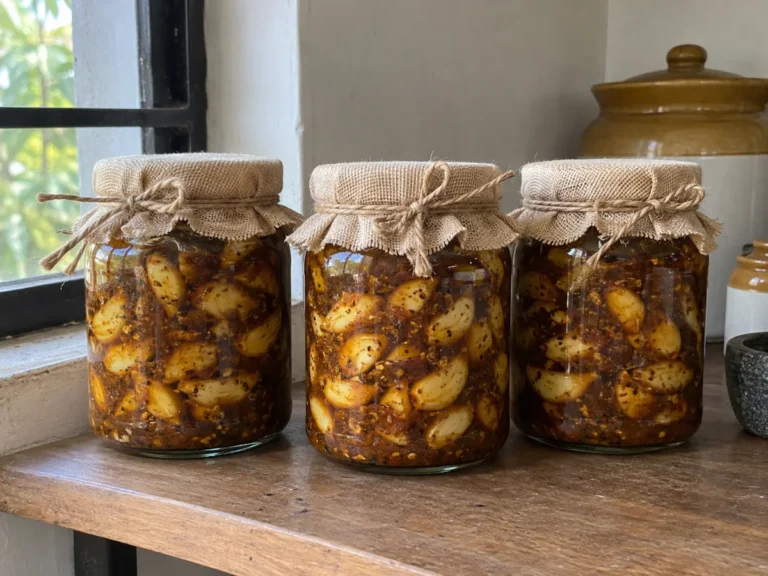
Garlic pickle jars resting on the kitchen shelf
  • 8jars in the range
  • 2sizes, 200 g and 500 g
  • 0chemical preservatives
  • 100%packed by hand in Kolkata
  • All Indiadelivery, leak-proof packing
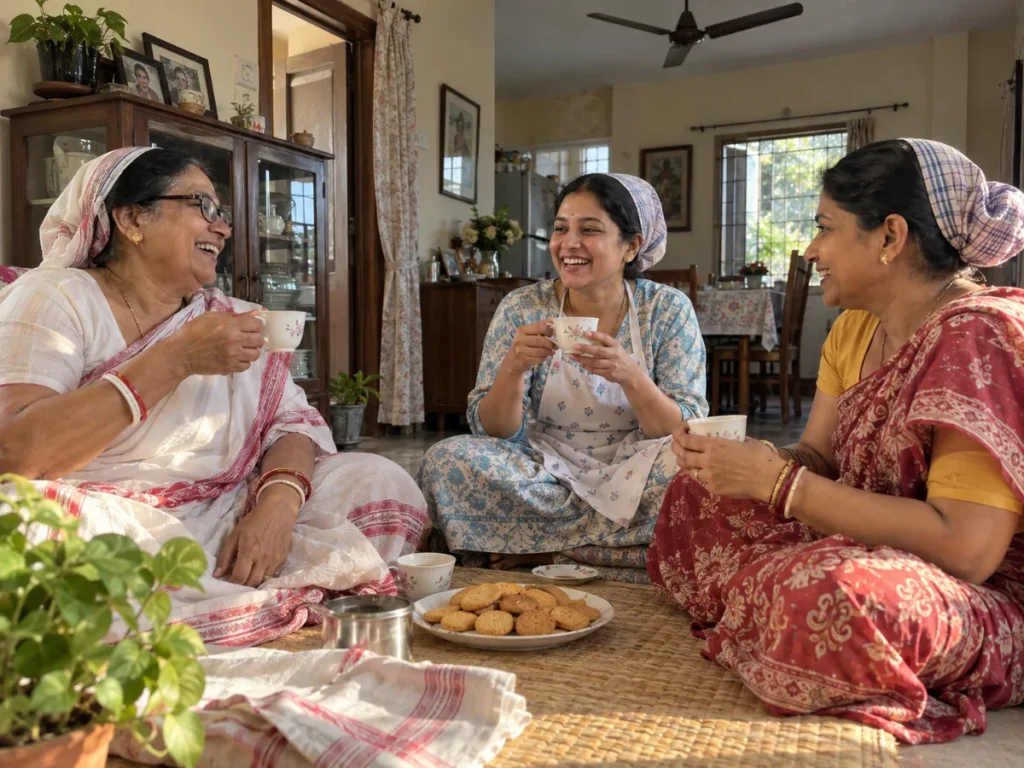
The women who make our pickles, sharing tea at home between batches
Tea break between batches. Most of what we know was learnt at tables like this one.
Where it began

It started with a jar nobody wanted to share

Every Bengali family has a pickle jar that is guarded more carefully than it should be. Ours sat at the back of the kitchen shelf, refilled once a year, and was rationed out in half-spoons at lunch. The recipe was never written down. It was watched, then copied, then argued about.

The Flavor Chapter began when we realised how few people could still buy that taste. Supermarket achar is made to survive a supply chain: vinegar for speed, preservative for shelf life, colour so it photographs well. It is a perfectly reasonable product. It is just not the thing we grew up eating.

So we started making it the way it was made at home, for people who had moved away from home. Mustard oil, whole spices, fruit bought in its season, and as many days in the sun as the weather allows.

Almost every mistake we made came from doing something faster than it wanted to be done.
From kitchen to jar

How a jar is made

The same six steps for every batch. The only thing that changes is how long each one takes.

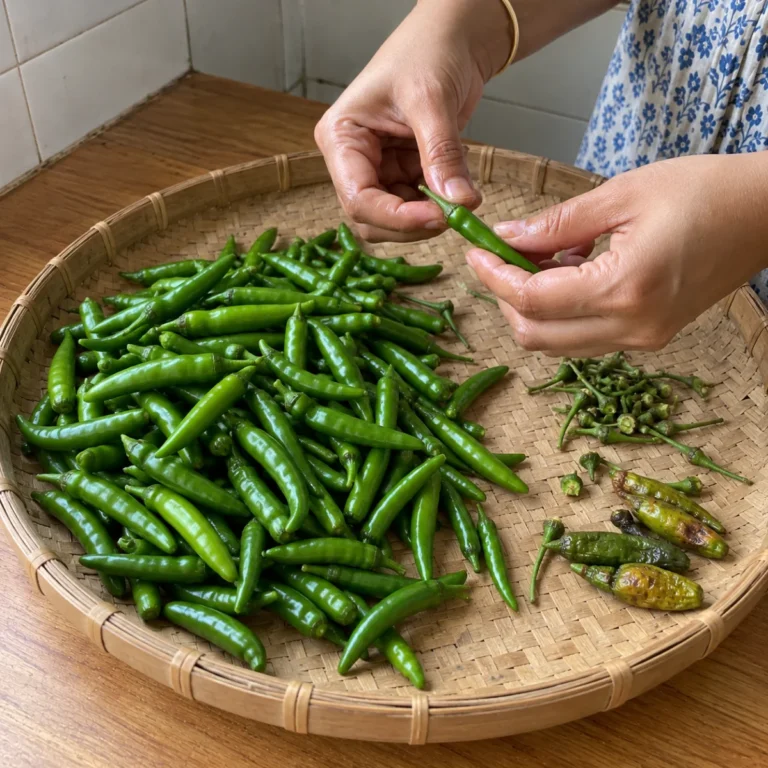
  1. Sorting fresh green chillies by hand on a bamboo kula01

    Sort by hand

    Fruit and vegetables are bought in season and sorted on a bamboo kula. Anything bruised or soft is kept aside for the house, not the jar.

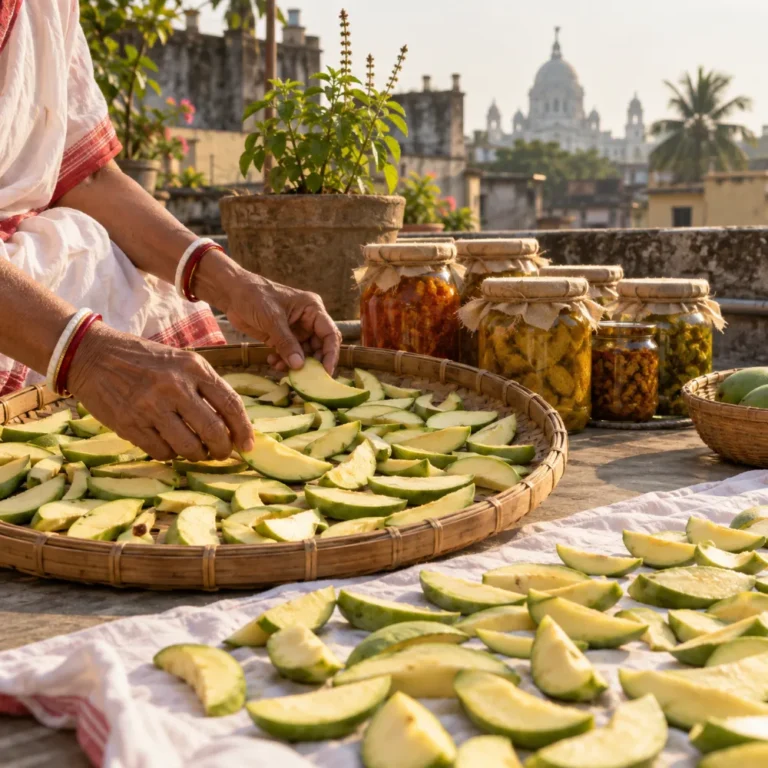
  2. Sun drying sliced raw mango on a Kolkata rooftop02

    Dry on the terrace

    Mango, kul, garlic and chillies spend their days on the rooftop in Kolkata sun. Drying time depends on the weather, so we wait for it rather than rush it.

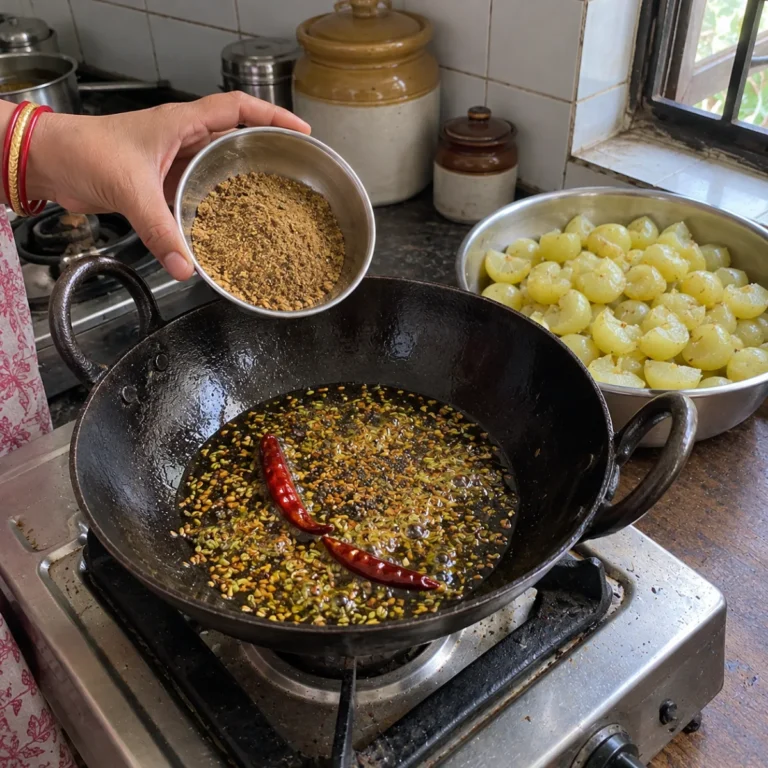
  3. Fenugreek, fennel and mustard seed tempering in mustard oil in an iron kadai03

    Temper the spices

    Fenugreek, fennel, mustard seed and dried red chilli go into hot mustard oil. This is the smell that fills the house on pickle day.

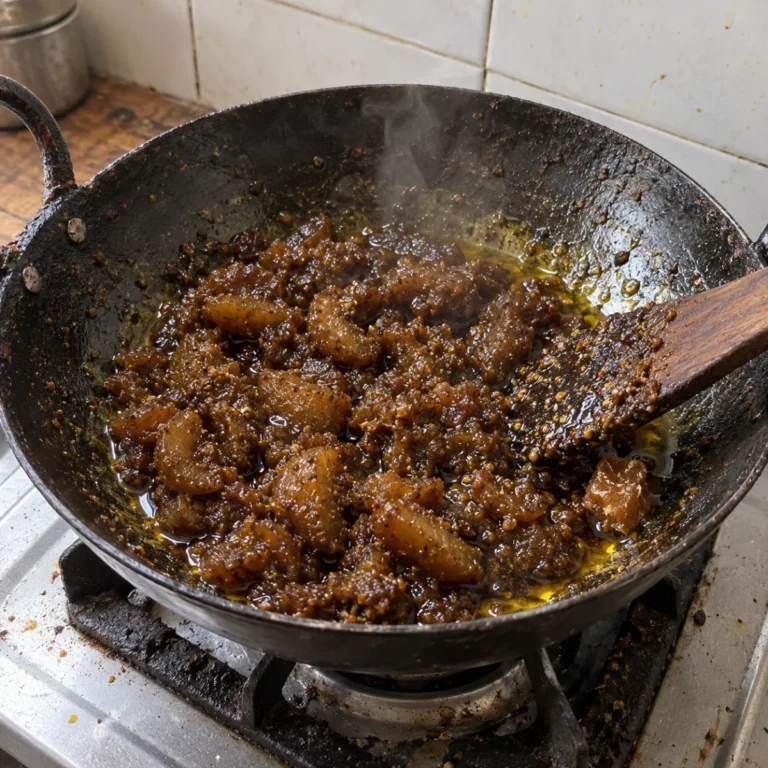
  4. Amla cooking down with jaggery in an iron kadai04

    Cook in the iron kadai

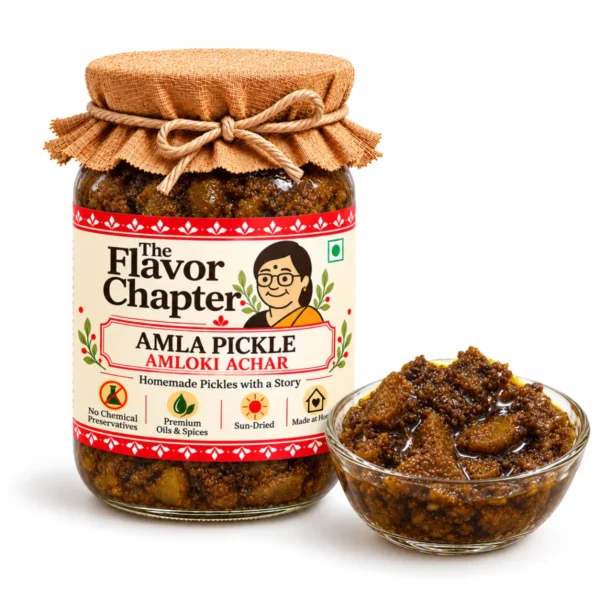
    Each pickle is cooked in a small batch in an iron kadai. Amla and tamarind are sweetened with jaggery, kul with sugar, and nothing is held together with vinegar.

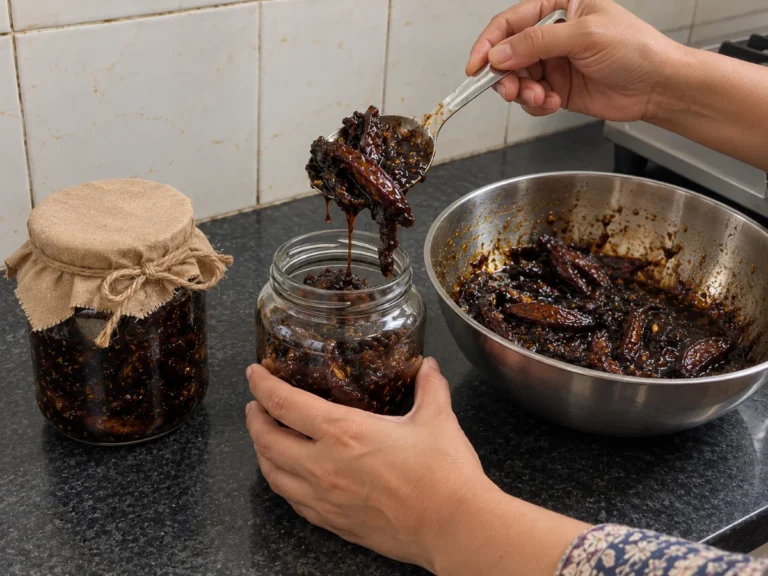
  5. Filling amsi achar into jars by hand05

    Fill the jars

    Jars are filled by hand once the pickle has cooled and settled, and topped with oil so the pickle stays covered.

  6. Packing homemade pickle jars by hand in simple packaging06

    Pack and ship

    Every jar is sealed, bubble wrapped and boxed by the same hands that made it, then shipped anywhere in India.

Our promise

What we stand by

Four rules that have not changed since the first batch.

  • Mustard oil, not vinegar

    Every pickle we make is cooked and kept in mustard oil. It is what gives Bengali achar its bite, and it is what keeps the jar without chemical preservatives.

  • Patience over speed

    The first year taught us how long mango needs on the terrace before it is dried but not leathery, and how much jaggery tamarind can take before it stops being sour. We still wait.

  • The season sets the menu

    Kul and amla are winter jars. Raw mango is a summer job. When the fruit is gone, the pickle is gone until next year.

  • Small on purpose

    We could make more by changing how we make it. We would rather stay small, pack each order by hand, and keep the jar worth guarding.

Sun dried in Kolkata

The terrace does half the work

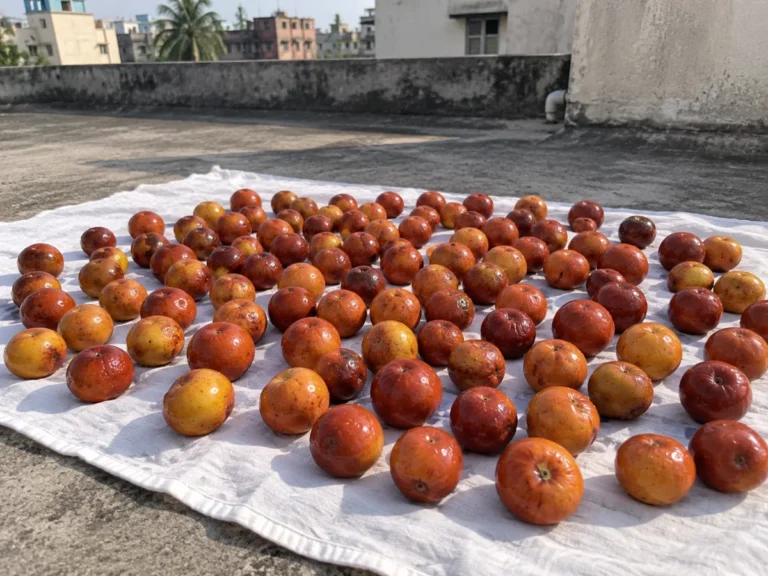
Most of what makes our pickle taste the way it does happens before anything reaches the kadai. Raw mango, kul and garlic are laid out on white cloth on the rooftop and turned over through the day. Green chilli jars sit out to cure in the sun once they are filled.

Sun drying pulls the water out slowly, concentrates the flavour and is the reason the pickle keeps. It also means a cloudy week delays a batch. We have made peace with that.

See what is in season →
  • Kul sun drying on a Kolkata rooftop for kuler acharKul, for kuler achar
  • Garlic cloves sun drying on a Kolkata rooftopGarlic, peeled by hand
  • Green chilli pickle jars sun curing on a Kolkata terraceGreen chilli, curing in jars
  • Raw mango slices sun drying for amsiRaw mango, becoming amsi
The range

What we make now

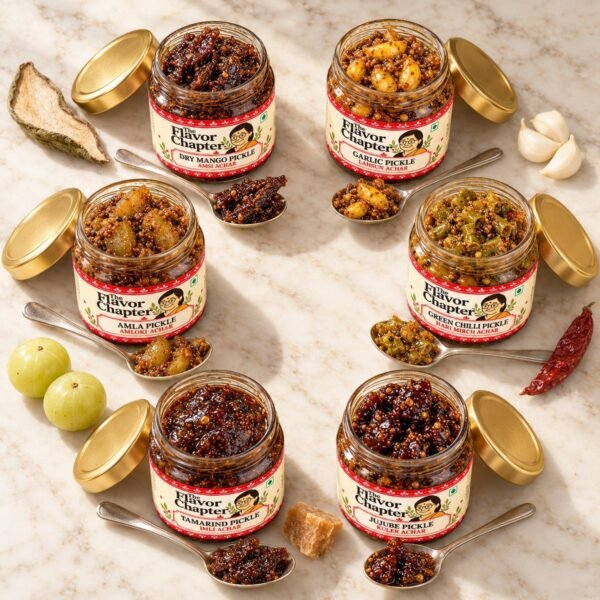
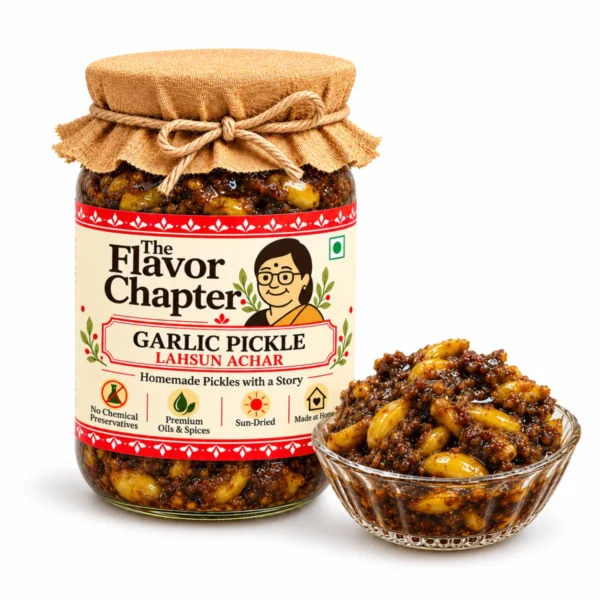
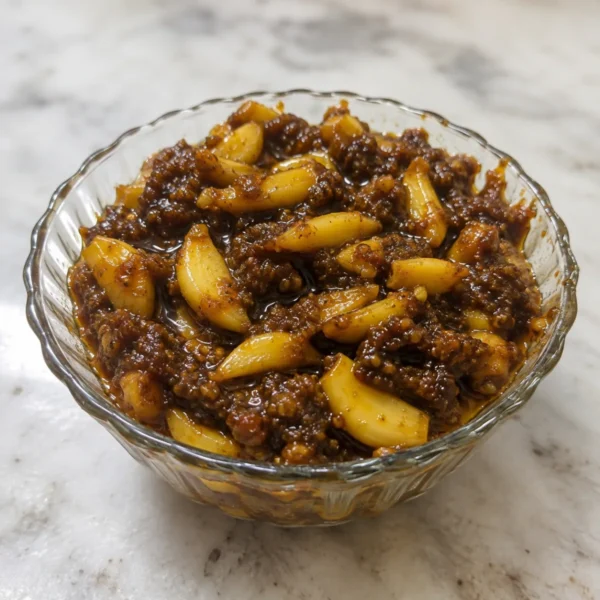
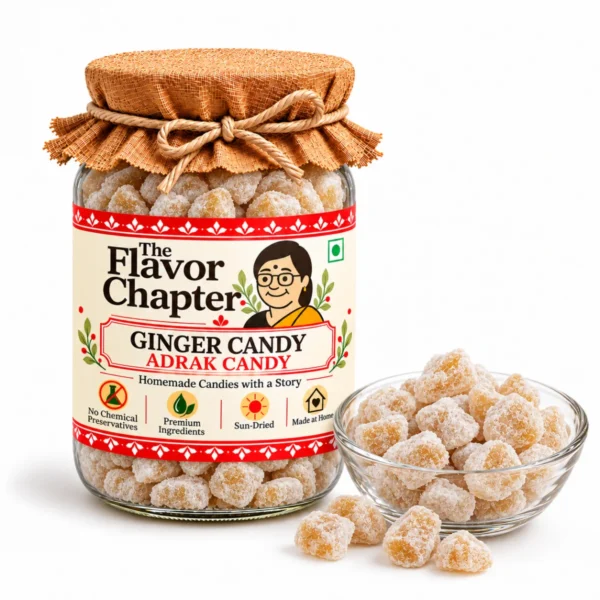
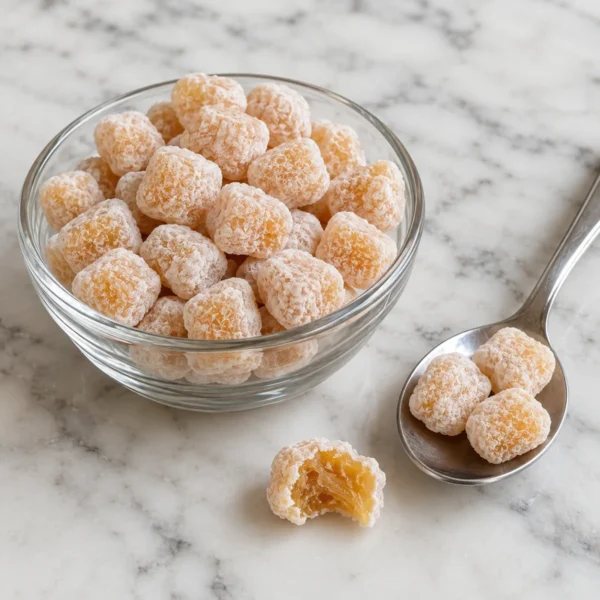
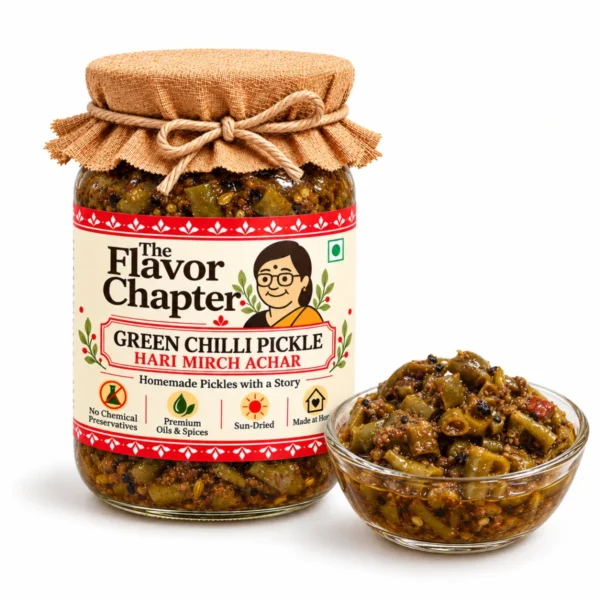
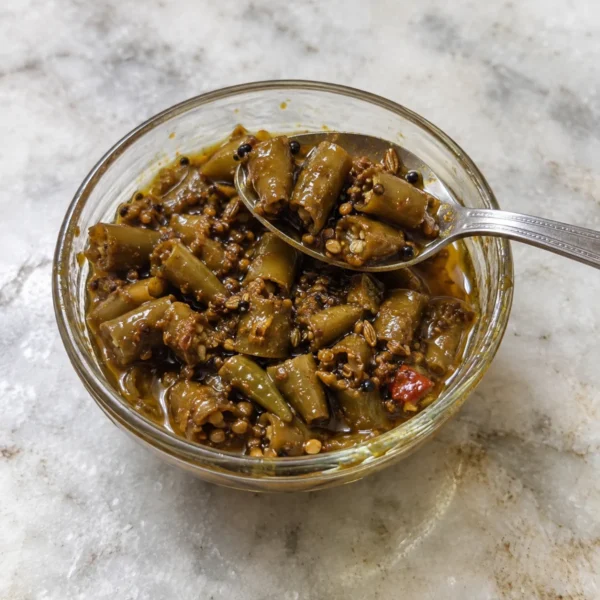
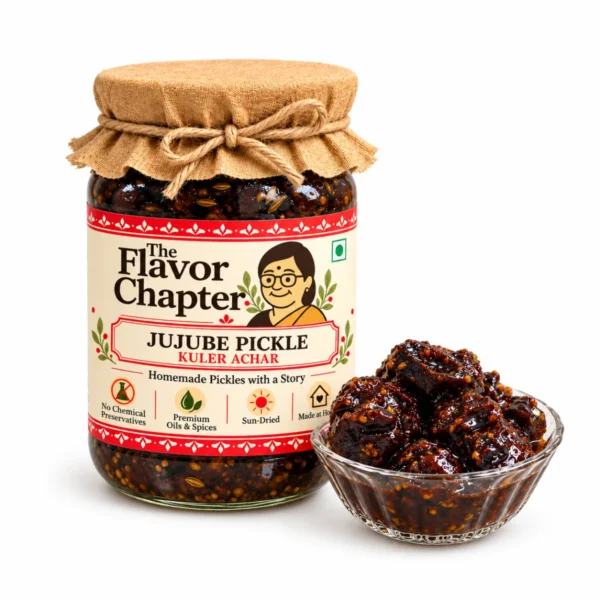
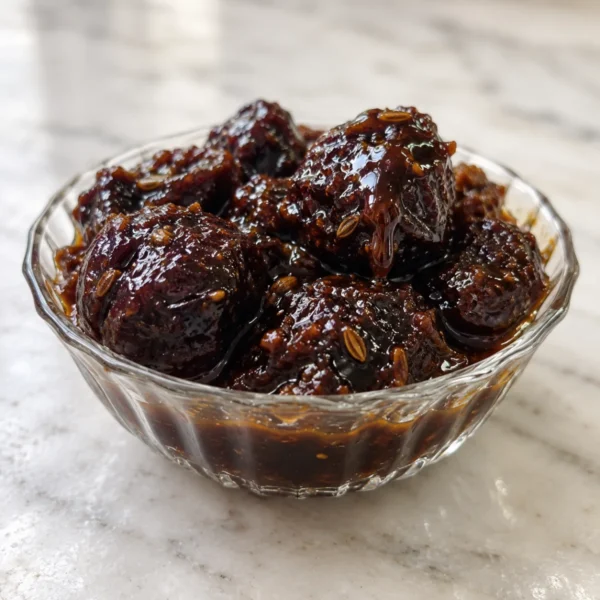
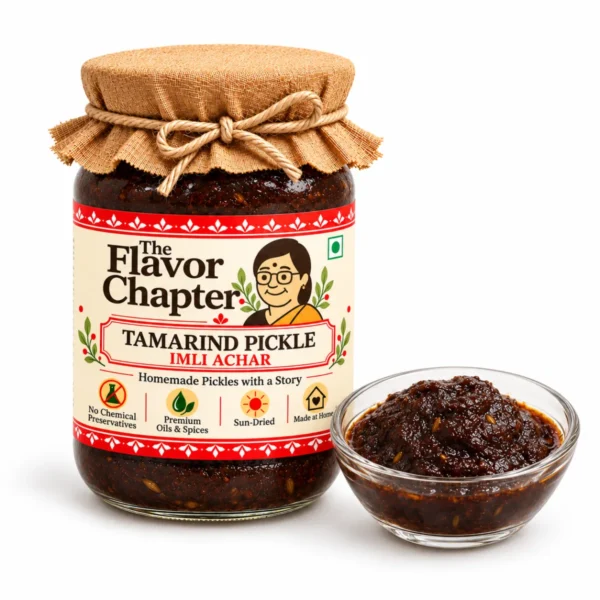
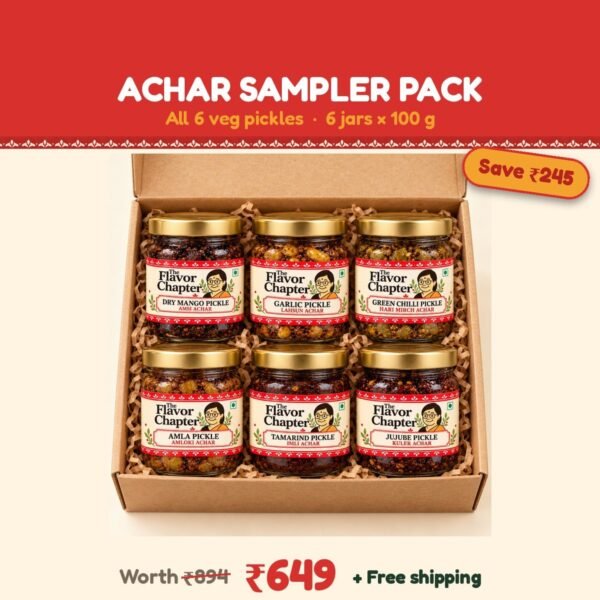
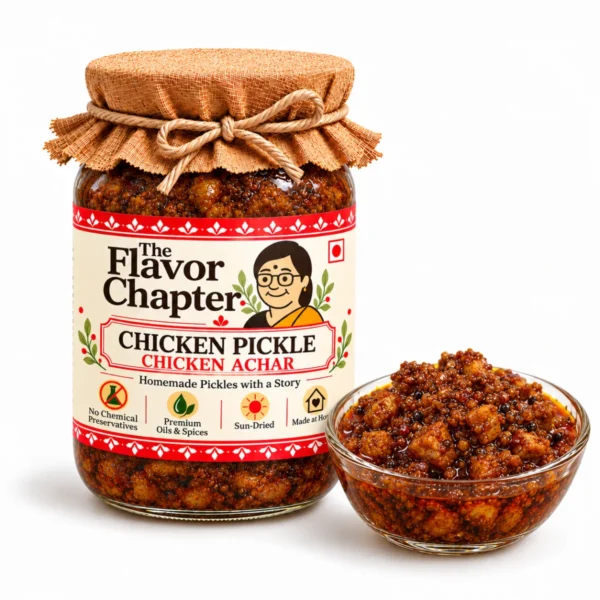
Eight jars, depending on the season. Mango for people starting out, garlic and green chilli for people who want heat, tamarind for the sour-first crowd, kul and amla while the winter fruit lasts, chicken for the table, and a ginger candy that is not a pickle at all.

See all pickles

Good to know

Straight answers

  • FSSAI licensedOur fruit and vegetable pickles are made under an FSSAI licence.
  • Closed jar, dry spoonKeep the jar closed, use a dry spoon, and keep the pickle under its oil. That is all the preservation it needs.
  • If a jar arrives damagedSend us a photo and we replace it. You will not be routed through a call centre.
  • Talk to the people who made itQuestions, bulk orders or a jar you miss from home: write to hello@theflavorchapter.com and a person replies.
Contact us
How to store homemade pickle: a dry spoon in the jar
Ask us about our pickles
AI-generated answers. Please check anything important with us.