



Homemade Tamarind Pickle | Imli Achar
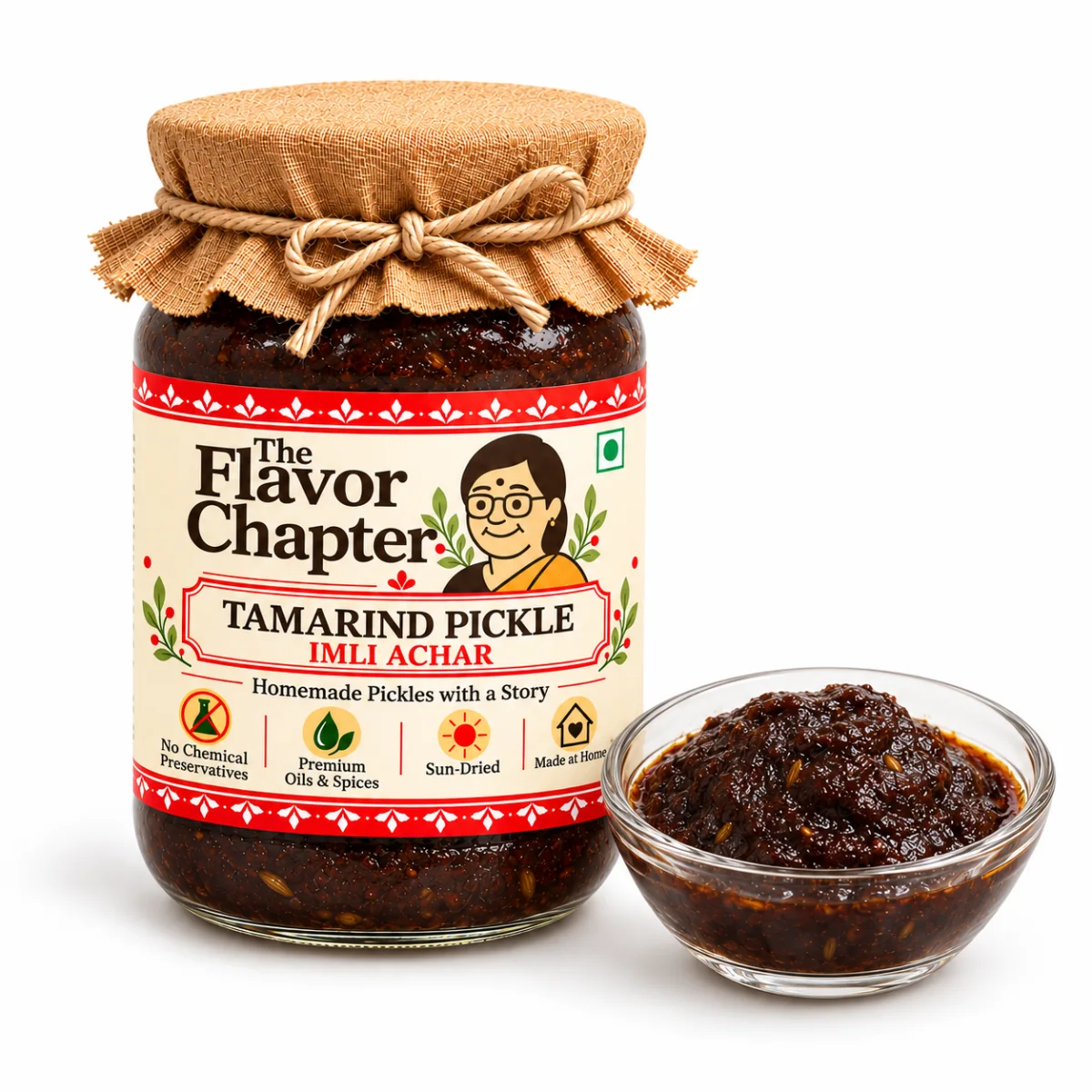
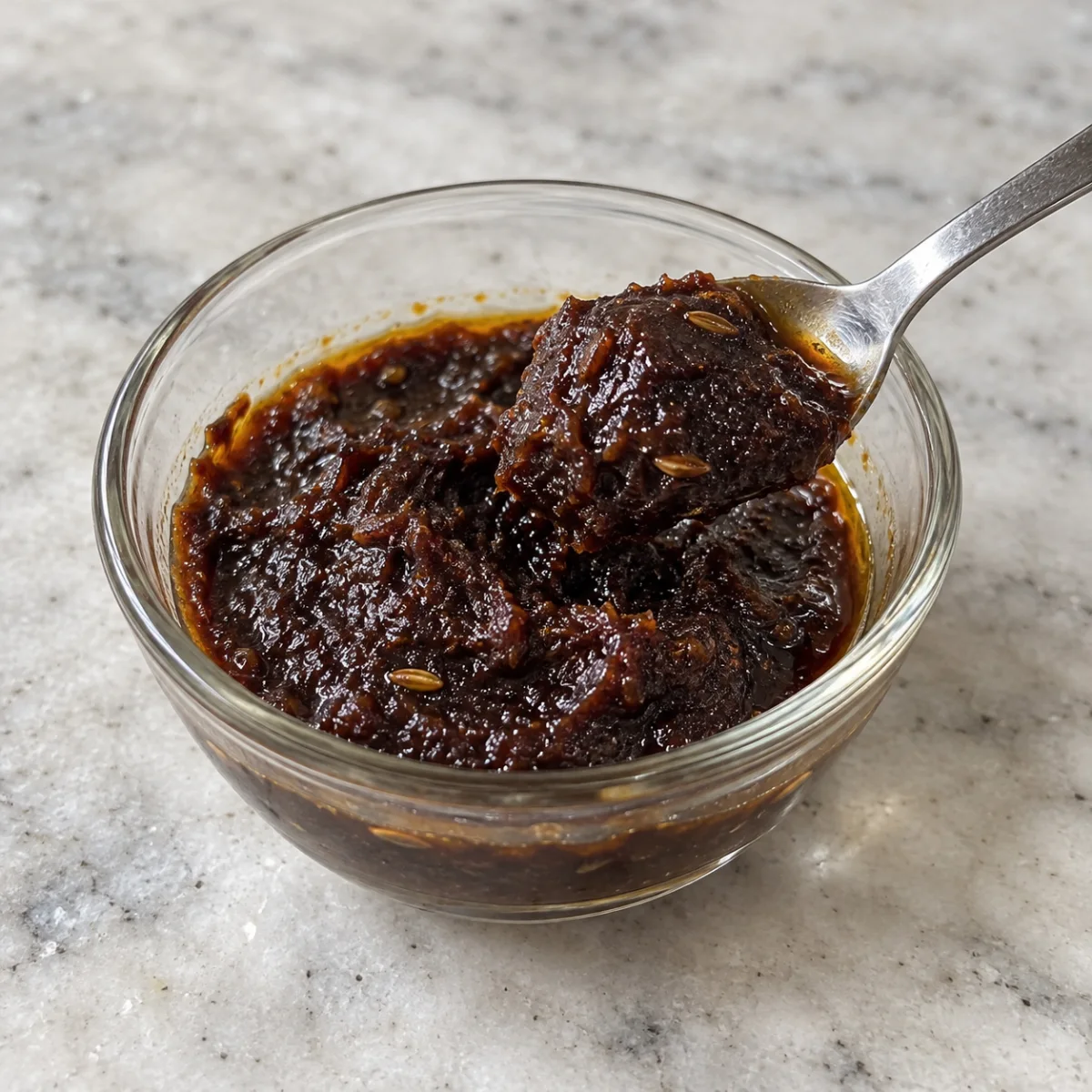
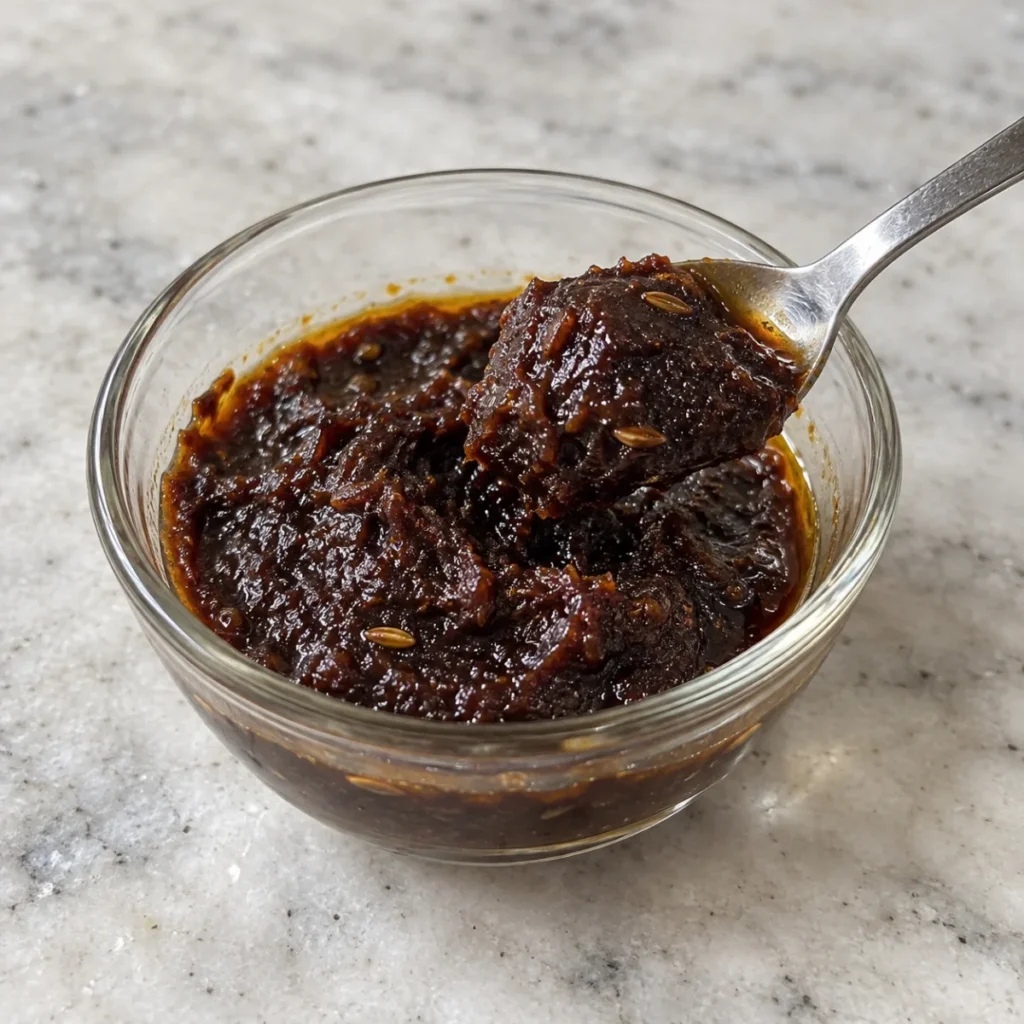
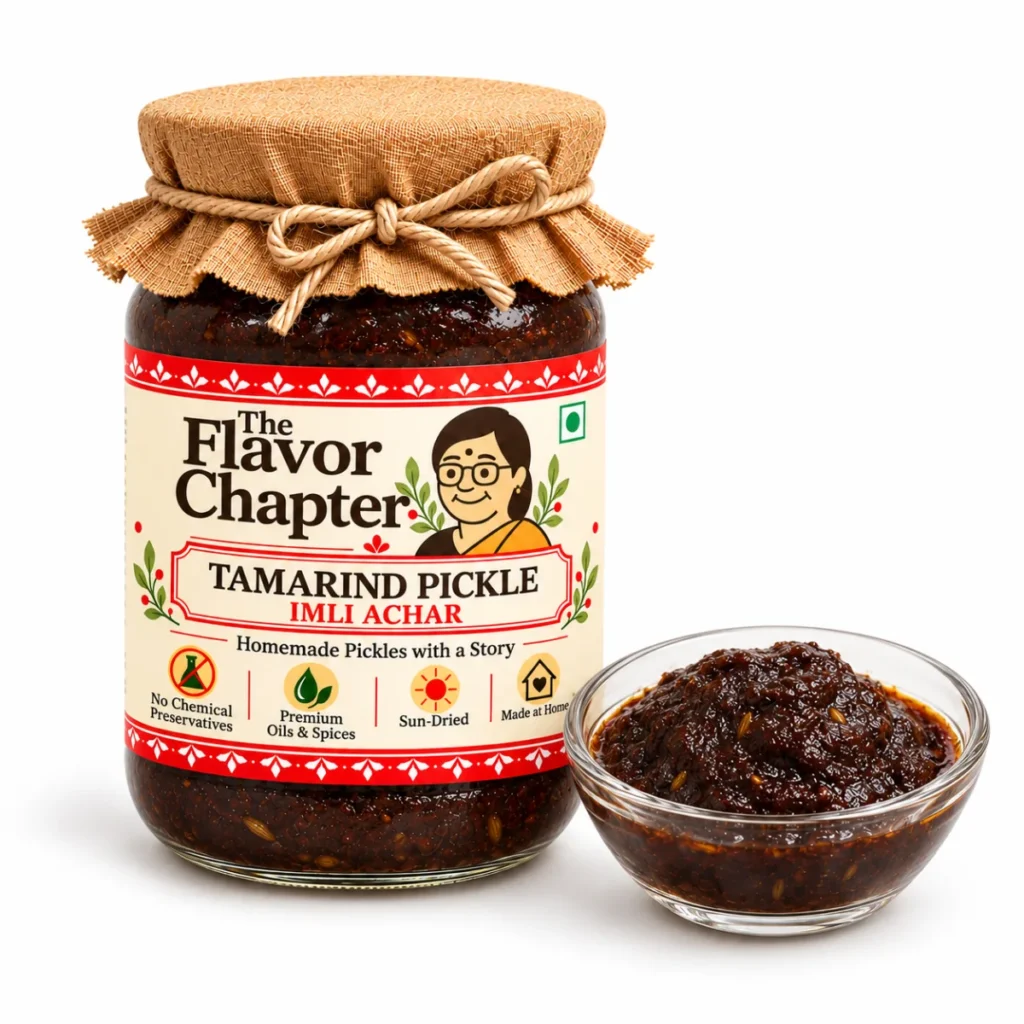
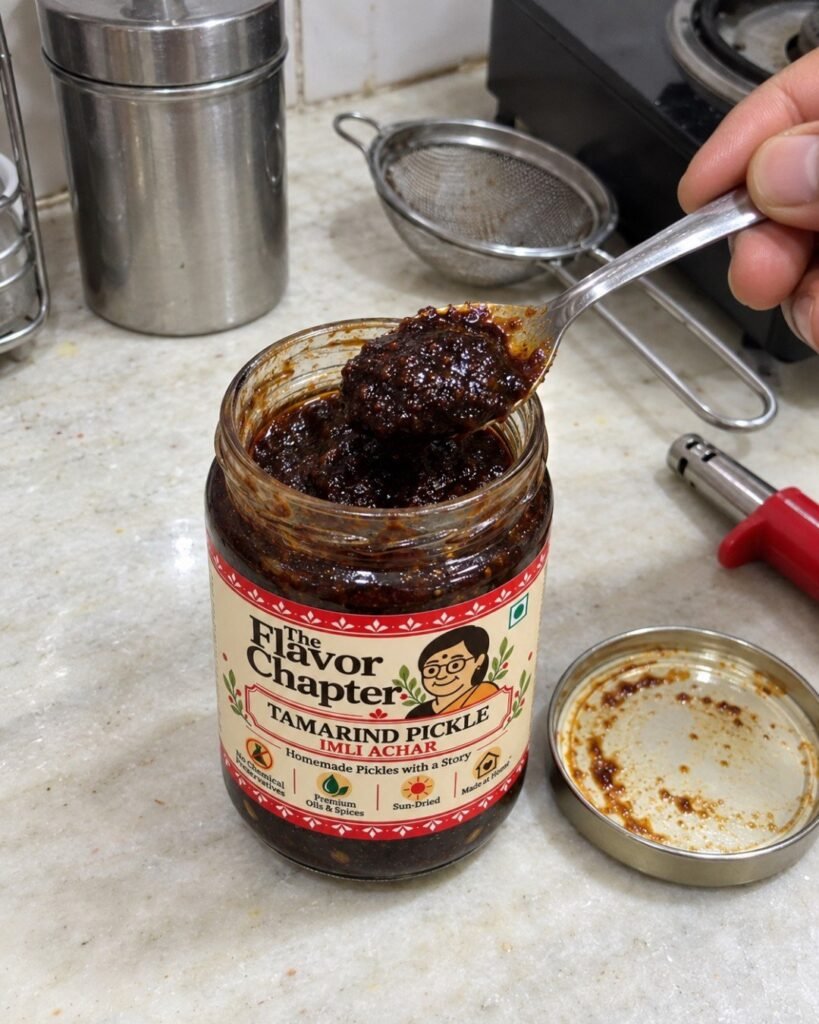
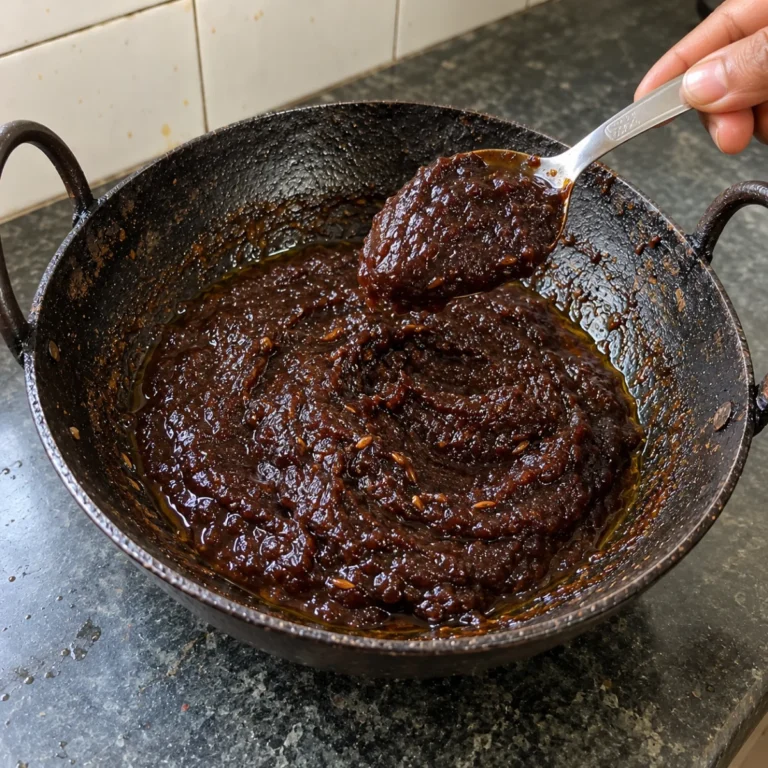
Tamarind shelled, soaked and deseeded by hand, then cooked down with jaggery and roasted spice until it coats a spoon. Sharp and sour at the front, sweet at the finish. No added acid.
- Sweet, tangy, rich
- Cold pressed mustard oil
- Tamarind, cumin, ajwain
- Bengali home kitchen, Kolkata
- No preservatives
- No added acid
Secure payment: UPI · Cards · Net banking
- No ChemicalPreservatives
- Leak-proofPacking
- Ships AcrossIndia
- SecureCheckout
Free shipping on orders above ₹599
Ask us on WhatsAppProduct details
About this jar
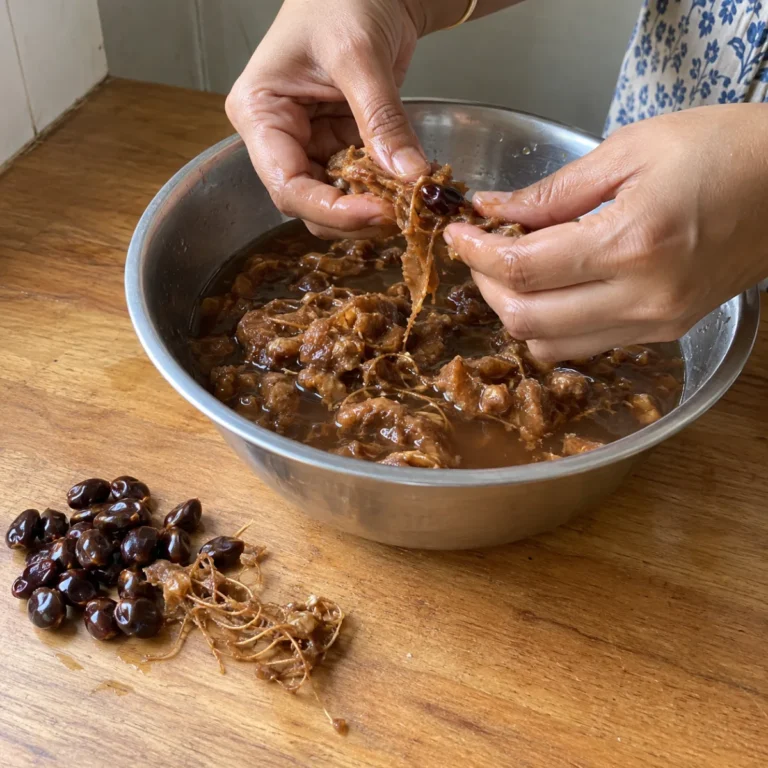
Imli achar is a test of patience more than technique. The tamarind has to be shelled, soaked, then picked clean of seed and fibre by hand. Do that part badly and the pickle is stringy. Do it properly and the pulp comes out smooth without ever being strained.
The other thing people get wrong is correcting the sourness with citric acid. We do not. Tamarind is already sour enough to preserve itself, so all it needs is jaggery to round off the finish.
Ingredients
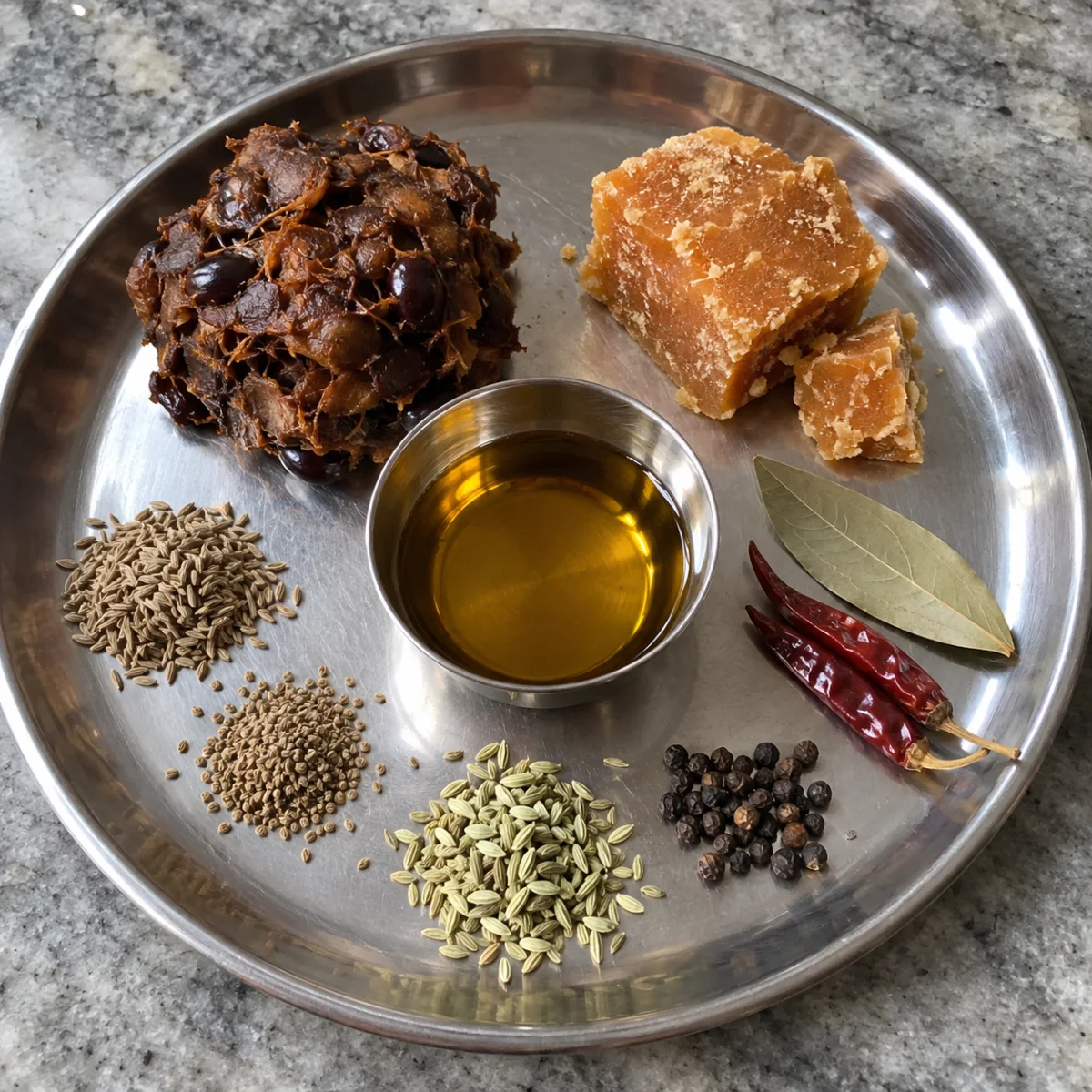
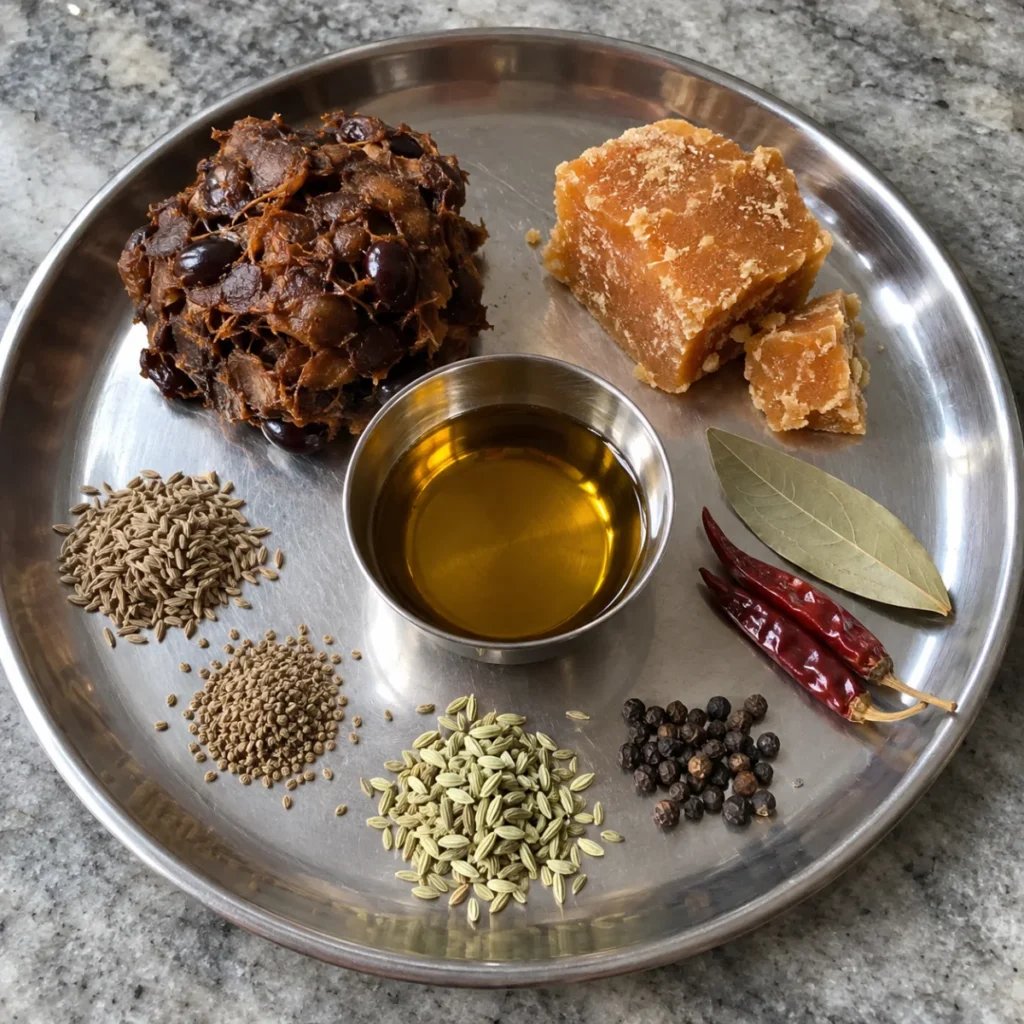
Tamarind (tentul), jaggery (gur), cold pressed mustard oil, cumin, ajwain, coriander paste, bay leaf, dry red chilli, fennel seed, black pepper, salt, and our home spice blend.
What is not in it
- No added acid. The sourness is the tamarind itself
- No chemical preservative
- No artificial colour or flavour
Taste & texture
What you will taste
Sour, and it does not apologise for it. That is the point of imli achar. The jaggery rounds the finish rather than hiding the sourness, so the first taste is sharp and the last one is sweet.
Heat is mild. The roasted spice gives warmth rather than chilli burn, which leaves the sourness in front where it belongs.
How it's made
Deseeded by hand
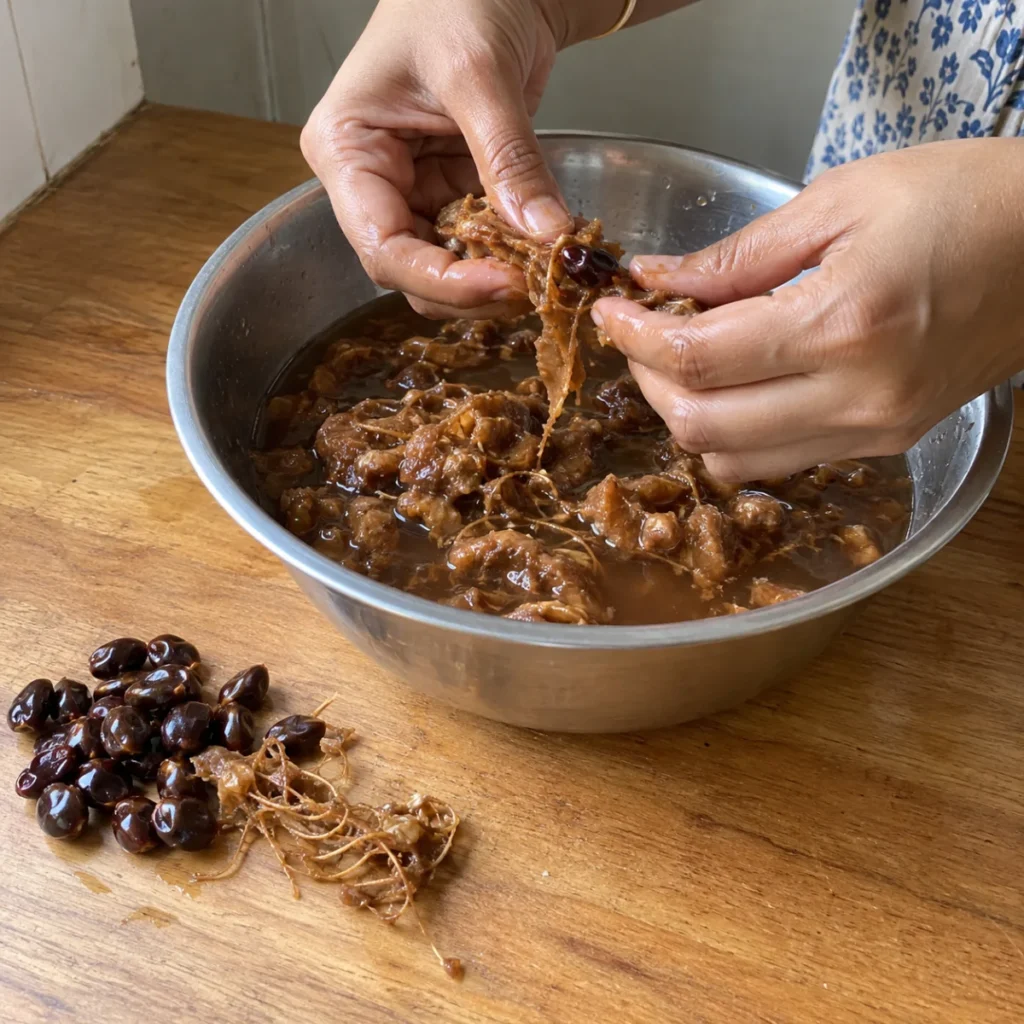
The tamarind is shelled and soaked in warm water until it softens, then the seeds and fibre come out by hand. This is the slow part of the day and the reason the pulp is smooth without being pushed through a sieve.
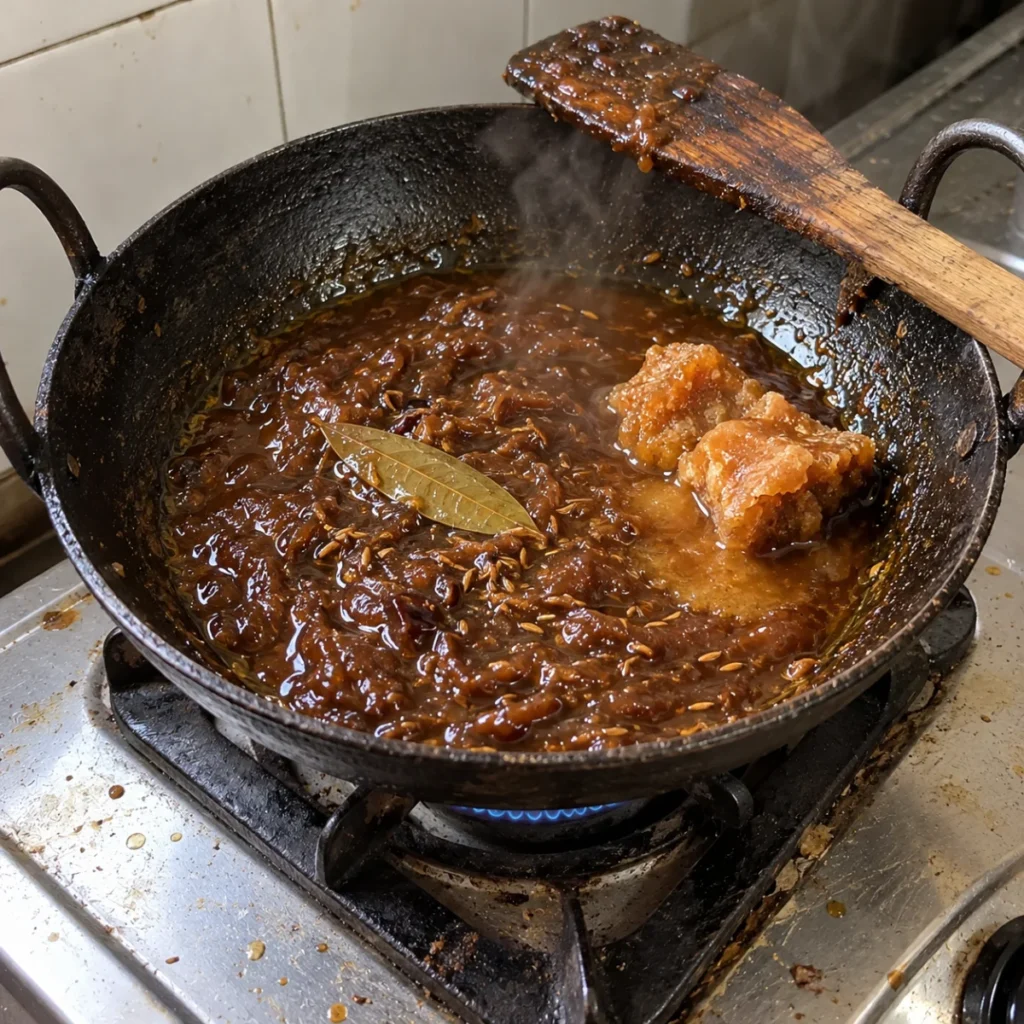
Cooked to a spoonable set
It is cooked down until it just coats a spoon and no further. Go past that and it turns into a block you have to dig at. Stop there and it mixes straight into hot rice.
Pairs well with
Everyday
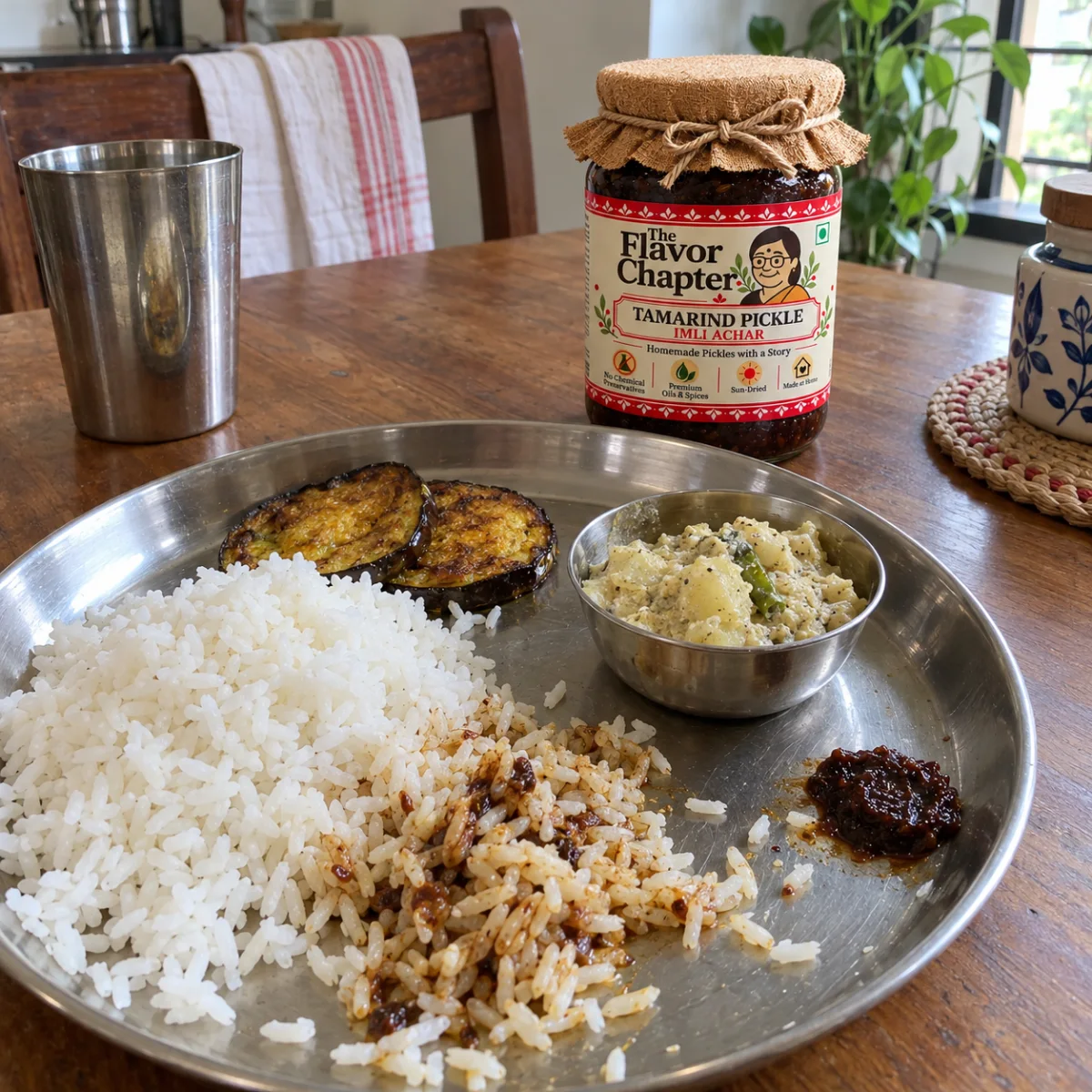
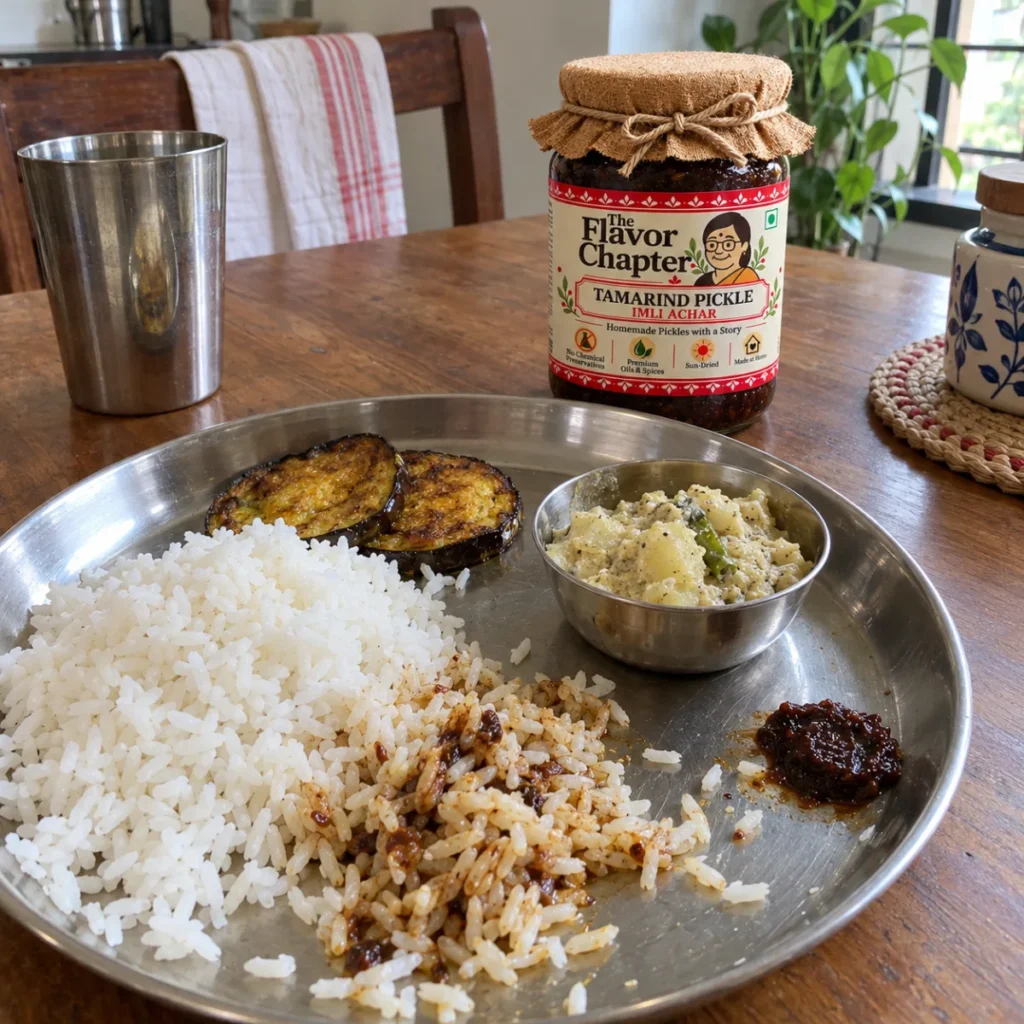
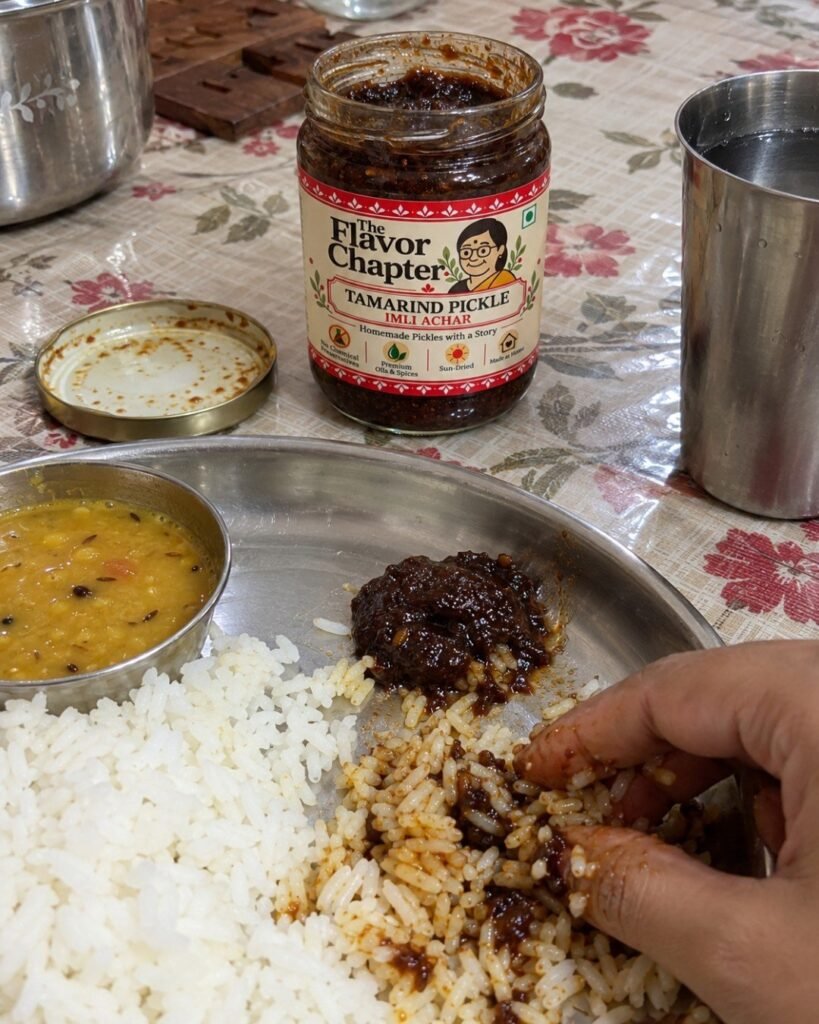
Plain rice with dal, aloo posto or begun bhaja, khichdi, curd rice. A small spoon mixed into the first few bites of rice is how most people eat it.
Worth trying
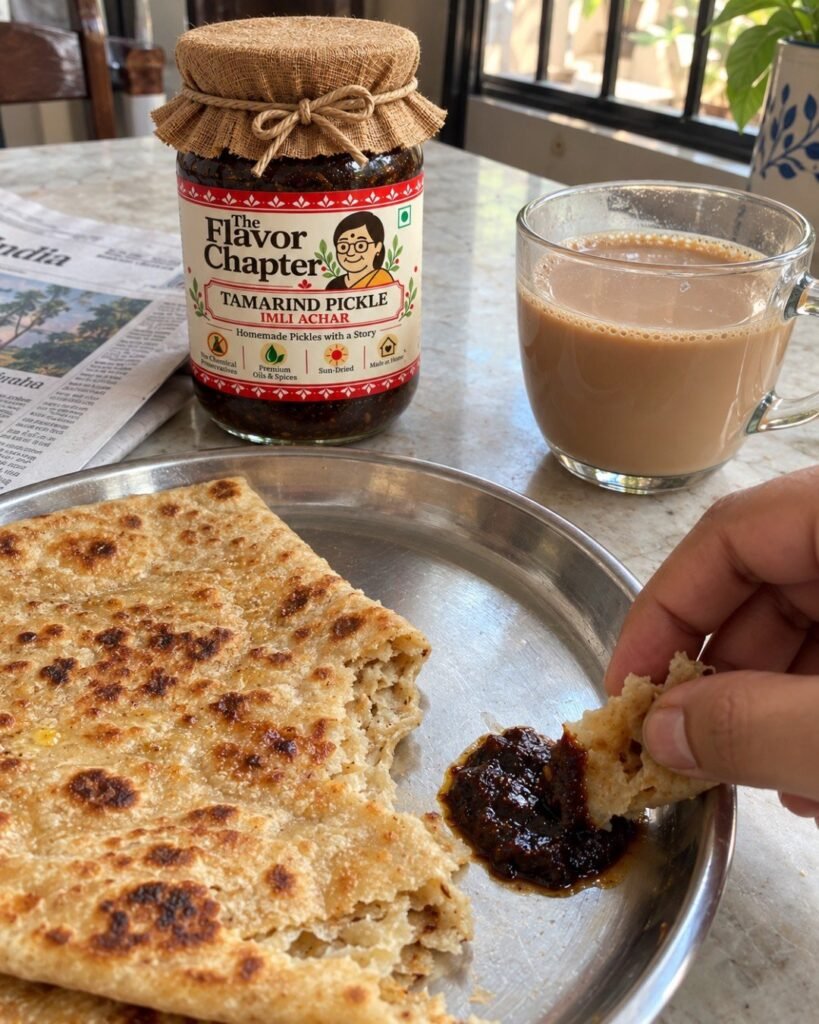
With hot roti or paratha and a dry sabzi. A spoon stirred into curd makes a quick sweet and sour raita in about ten seconds.
Storage & shelf life
Keeping it fresh
- Always use a clean, dry spoon. Water is what spoils a pickle, not time.
- Keep the jar closed, on a cool, dry shelf away from sunlight.
- Never store it in metal. Salt and acid react with aluminium and brass, which is why our jars are food-grade plastic.
- Best within six months of opening, eight months unopened.
Product details
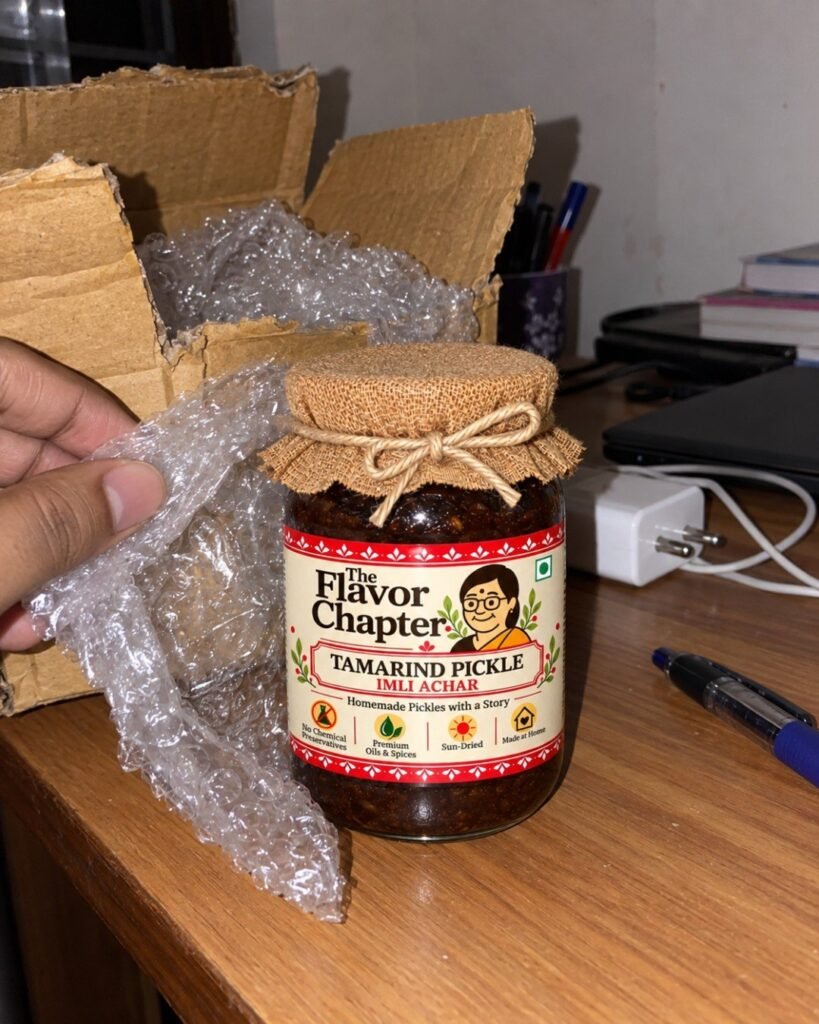
Available in 200 g and 500 g food grade plastic jars, double sealed and bubble wrapped. Made and bottled in Kolkata in small batches.
| Taste | Sweet, tangy, rich |
|---|---|
| Oil | Cold pressed mustard oil |
| Key ingredients | Tamarind, cumin, ajwain |
| Recipe origin | Bengali home kitchen, Kolkata |
| Weight | N/A |
| Dimensions | N/A |
| Size | 200 g, 500 g |
| Type | Vegetarian |
About The Flavor Chapter
The Flavor Chapter is a small homemade pickle business run out of a kitchen in Kolkata, West Bengal. We make Bengali achar the way it has always been made at home. Seasonal fruit bought locally, cold pressed mustard oil, a spice blend handed down rather than bought in, and enough resting time for the two to meet.
We are not a factory. Every batch is made by hand in quantities small enough for one person to watch over the whole thing, which limits how much we can sell and is why some jars disappear for months at a time. Kul and amla are winter fruit, so we make them in winter.
What we will not do: no chemical preservatives, no vinegar shortcuts, no artificial colour. A properly made pickle preserves itself in oil, salt and spice. It does not need help from a laboratory.
Every order is sealed, double wrapped and packed by hand before it ships across India. If a jar arrives broken, we replace it.

Customer Reviews
4.6 based on 5 reviews
5 reviews for Homemade Tamarind Pickle | Imli Achar
Customer photos and videos

 Homemade Tamarind Pickle | Imli Achar
How we make this pickle special
 1
1Shelled and soaked
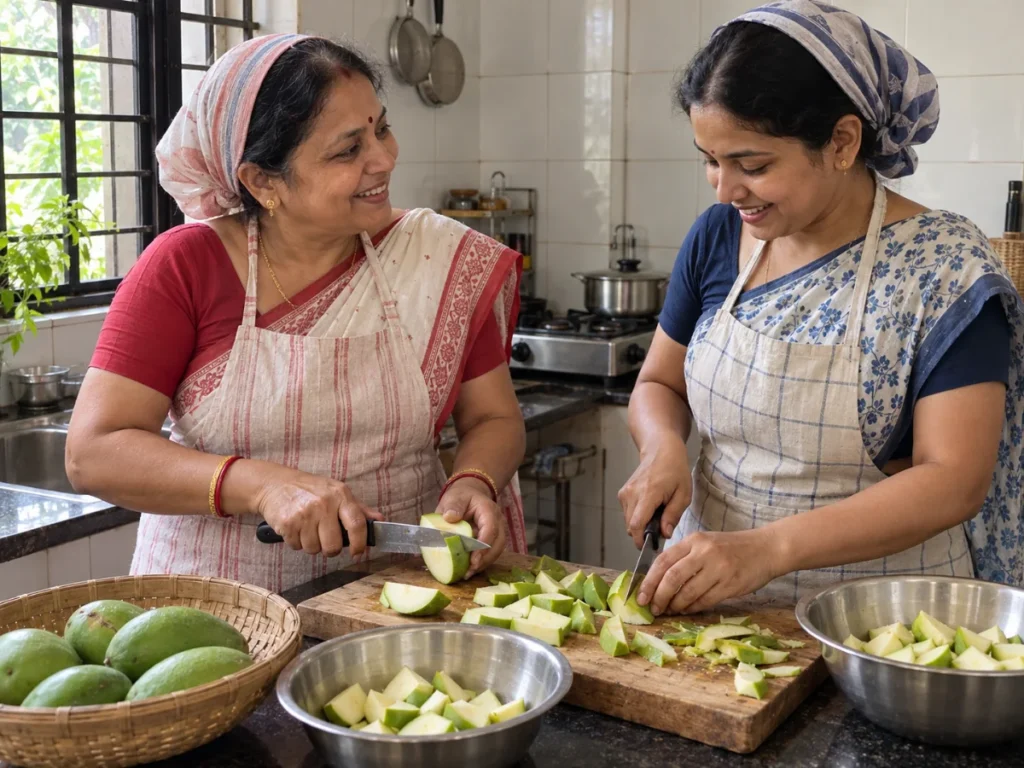
The tamarind is shelled and the pulp soaked in warm water until it turns soft enough to pull apart without tearing.
 2
2Deseeded by hand
Seeds and fibre come out one by one. Slow work, and the only way to get smooth pulp without straining it.
 3
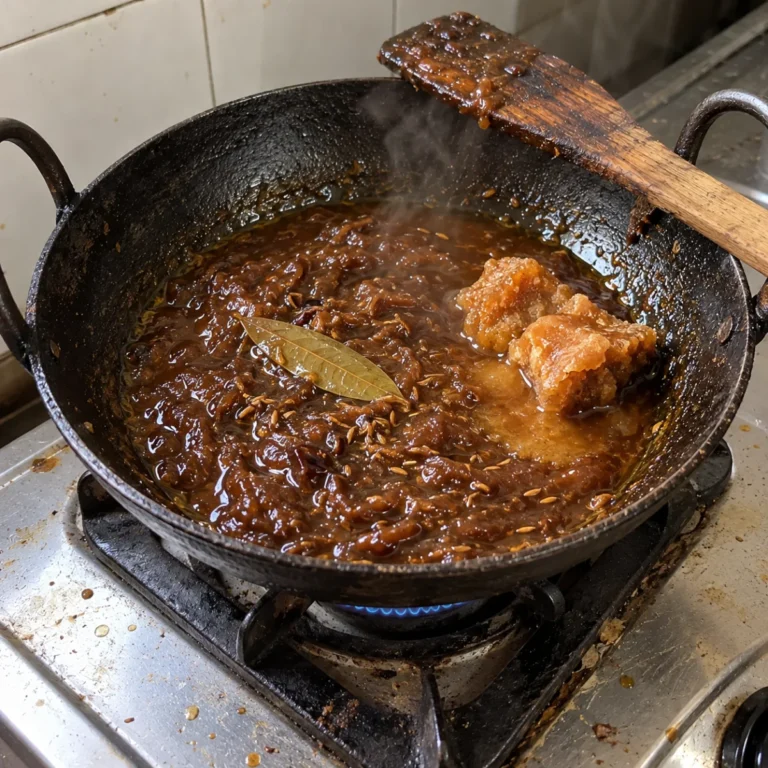
3Balanced with jaggery, not acid
The sourness is the fruit. Jaggery goes in to round the finish, so nothing has to be corrected with vinegar or citric acid.
 4
4Cooked to a spoonable set
It comes off the heat the moment it coats a spoon, which keeps it soft enough to mix straight into rice.
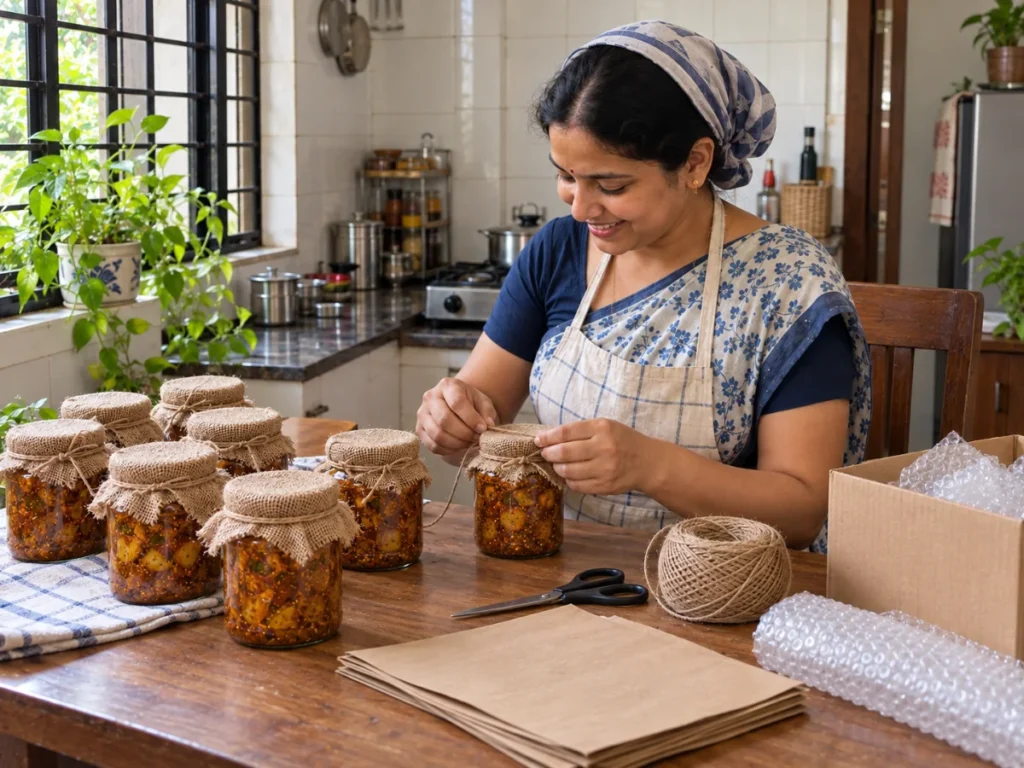

Our kitchen, our people
We spend on what goes inside the jar
We are a small, home run kitchen in Kolkata. Every jar is made by hand in a small batch, the way it is made at home. That costs more than a factory line, where machines and huge volumes bring the price down. We cannot do that, and we do not want to.
So we chose where the money goes. It goes into branded masalas, cold pressed mustard oil and good fruit, with no preservatives to stretch them. It does not go into glossy boxes, shiny labels or brochures. Our packaging is simple on purpose, and what we save there goes back into a fairer price for you.
The people who cook and pack your pickle are paid properly and on time, and we look after them like family. That matters to us as much as the taste.
- Branded masalas and cold pressed mustard oil
- No preservatives, ever
- Simple packaging, fairer prices
- Fair pay for the people who cook
You may not get a fancy box from us. But one spoon will bring you back.
The Flavor Chapter family
Questions about this jar
How sour is tamarind pickle?
Properly sour, which is the whole point of imli achar. The jaggery rounds it off at the end rather than hiding it, so the first taste is sharp and the finish is sweet.
Is there any added acid or vinegar in it?
No. Every bit of the sourness comes from the tamarind. There is no citric acid, no vinegar and no chemical preservative.
Does it contain oil?
Yes, cold pressed mustard oil, like every pickle we make. Tamarind and jaggery give it most of its body, so it is lighter than a spicy mustard oil achar and easy to use as a chutney.
What do I eat imli achar with?
Plain rice with dal, aloo posto or begun bhaja, khichdi, or with roti and paratha. A spoon stirred into curd turns it into a quick raita.
How long does an opened jar last?
Nine months with a dry spoon. Twelve months unopened, in a cool, dry cupboard away from sunlight.
Is it very spicy?
Mild. There is warmth from the roasted spice and a little chilli, but sourness is the dominant note, not heat.
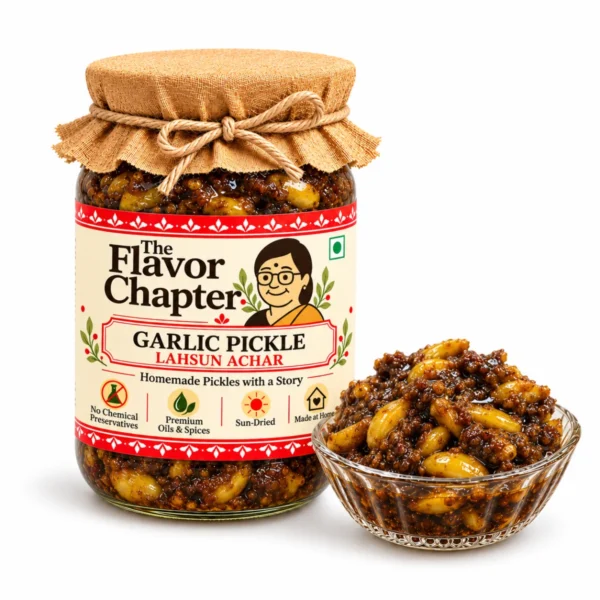
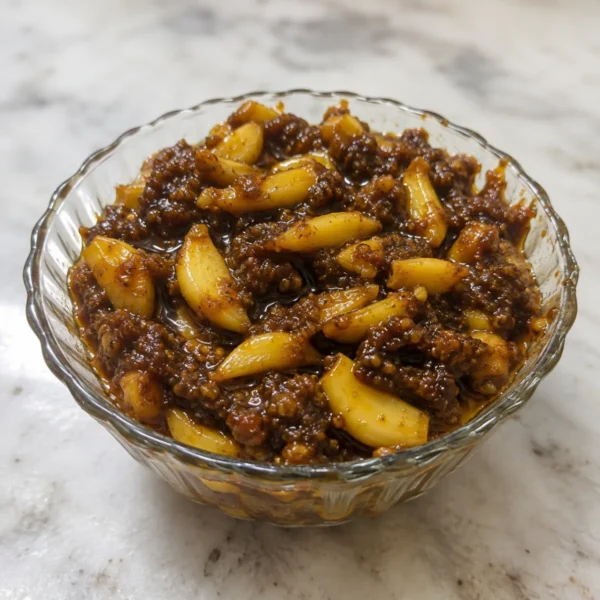
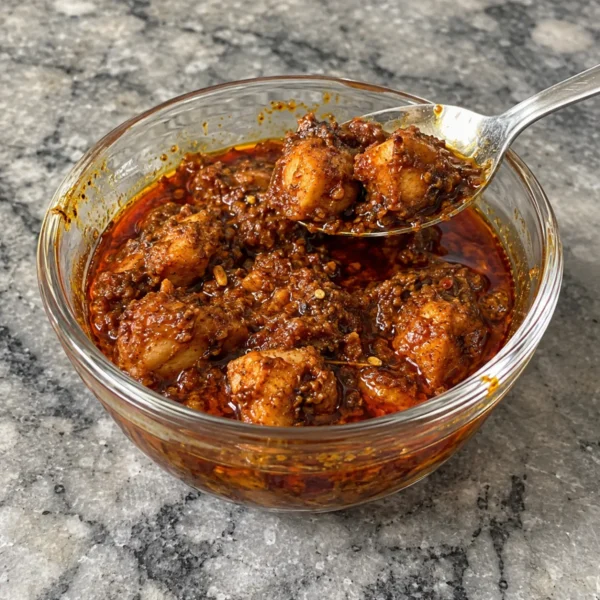
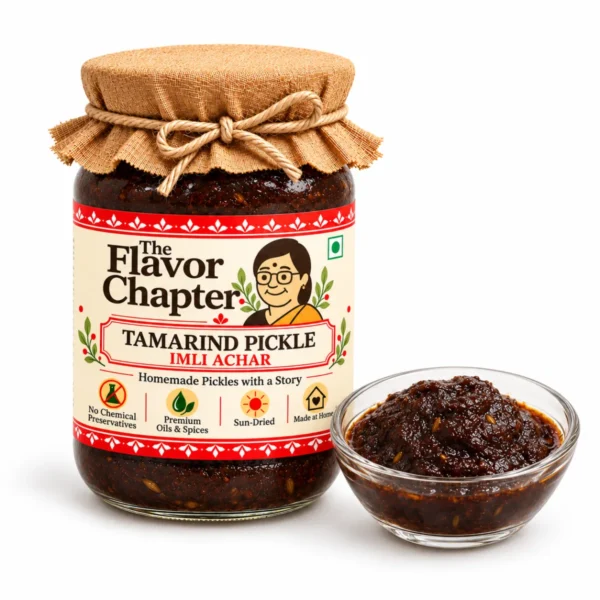
I thought there would be tamarind chunks but it is a paste. Taste is good, just different from what I pictured.
Khub tasty. It is quite concentrated so a little bit is enough.
Had with plain khichdi on a rainy day. Perfect combination.
Sour sweet spicy all together. I ended up licking the spoon after serving 😂
This is thick and smooth, almost like a very intense imli chutney but with achar spices. Lovely with paratha.